

Prep work often dictates how quickly a home meal comes together, but choosing processing equipment involves clear trade-offs. A bulky work bowl cuts down on repetitive batch processing, yet it demands substantial cabinet clearance and extra effort at the sink. Smaller choppers store easily on a shelf but limit what you can slice or shred in a single pass.
This guide compares key specifications across 10 models from brands like Hamilton Beach, Cuisinart, Ninja and more to help you find which food processors best handle your prep routines. Whether you regularly knead dough, shred blocks of dairy, or simply want minced aromatics without pulling out a chef knife, matching machine capabilities to your counter space prevents buyer remorse.

Pros
- Simple lid-locking assembly mechanism
- Reversible disc handles slicing and shredding
- Touchpad controls with pulse setting
- Stainless steel blade chops and purees

Pros
- Includes large 14-cup and compact 4-cup bowls
- Twist-free stack and snap bowl assembly
- Four attachments handle slicing, shredding, chopping, and kneading
- Dishwasher-safe removable parts and BPA-free construction

Pros
- Built-in scraper clears bowl without opening lid
- Dishwasher-safe BPA-free bowl, lid, and blades
- Large feed chute minimizes pre-cutting prep work
- Ten-cup capacity accommodates large ingredient batches

Pros
- 1000-peak-watt motor handles tough prep tasks
- Four preset programs automate food prep routines
- Dishwasher-safe blades, disc, lid, and bowl
- Includes dedicated dough blade and reversible disc
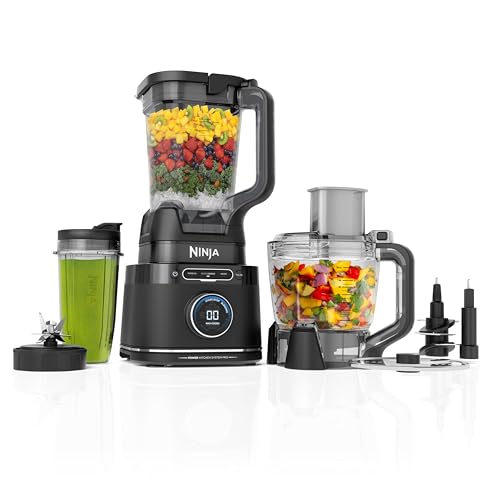
Pros
- Includes food processor, pitcher, and travel cup
- Powerful 1800-peak-watt motor base
- Removable parts top-rack dishwasher safe
- Ten manual speeds available on main pitcher
Cons
- Tall 17.5-inch height may not fit under low cabinets
- Variable speed limited to full-size pitcher

Pros
- 1000-peak-watt motor handles tough ingredients
- Four Auto-iQ one-touch preset programs
- Dishwasher-safe, BPA-free removable components
- Dedicated dough blade included
Cons
- Tall 16-inch profile demands vertical storage space

Pros
- Quiet 600-watt motor handles thick dough
- Extra-large feed tube fits whole produce
- Five-year motor warranty gives long coverage
- Includes versatile slicing and shredding discs

Pros
- Powerful 1450W induction motor
- Wide 5.5-inch feed chute minimizes pre-cutting
- Includes storage container for all accessories
- Versatile 24-setting adjustable slicing disk
Cons
- Heavy 30.6-pound weight makes moving difficult
- Large footprint requires dedicated counter space
Finding Which Food Processors Best Match Your Cooking Habits
Bowl Capacity and Kitchen Footprint
Bowl capacity dictates batch sizes and storage footprint. Compact designs like the 3-cup mini chopper require minimal counter space, fitting easily into tight apartment drawers. However, processing a full batch of soup base or slaw in a small container requires multiple emptying cycles.
Larger machines offer between 8 and 16 cups of working volume. The Breville Sous Chef features a 16-cup capacity, while the Hamilton Beach Stack & Snap provides a 14-cup primary bowl alongside a nested 4-cup bowl. If your prep involves feeding a crowd or weekly meal planning, extra capacity saves time, provided you have roughly 16 to 18 inches of vertical cabinet clearance to house the unit.
Motor Power and Duty Cycles
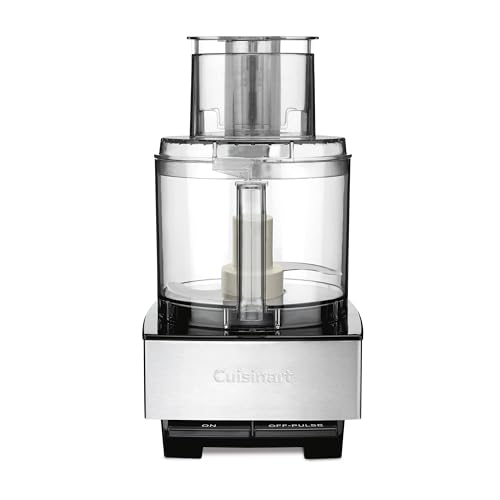
Motor strength affects how a machine manages dense ingredients. Compact choppers typically use motors between 350 and 450 watts, which chop herbs, onions, and soft vegetables effectively. Mid-sized units, such as the Cuisinart Pro Classic at 600 watts or the Ninja models featuring 1000 peak watts, deliver added torque to power through root vegetables and thick emulsions without bogging down.
Heavy dough mixing and large batches demand robust engineering. Breville utilizes a 1450-watt direct-drive induction motor built to handle dense bread mixtures. Higher wattage does not automatically mean better results for light chopping, but adequate torque prevents motor overheating during extended prep sessions.
Feed Chute Dimensions and Prep Needs
Feed chutes determine how much knife prep is necessary before running ingredients through slicing discs. Narrow chutes require slicing potatoes, cucumbers, and blocks of cheese into slim wedges so they fit inside. Larger chutes accommodate whole produce, saving substantial hands-on prep time.
The Breville Sous Chef incorporates a 3-in-1 chute extending up to 5.5 inches wide, which takes whole russet potatoes and large tomatoes directly. Units with dual pushers allow you to guide thin items like celery or carrots upright while keeping the wide opening available for broader ingredients.
Blades, Discs, and Special Attachments
A standard stainless steel S-blade handles pureeing and chopping, but accessory discs widen everyday utility. Reversible metal discs provide slicing on one side and shredding on the reverse. For bakers, dedicated plastic dough blades gently fold flour and water without overworking gluten strands or straining the spindle.
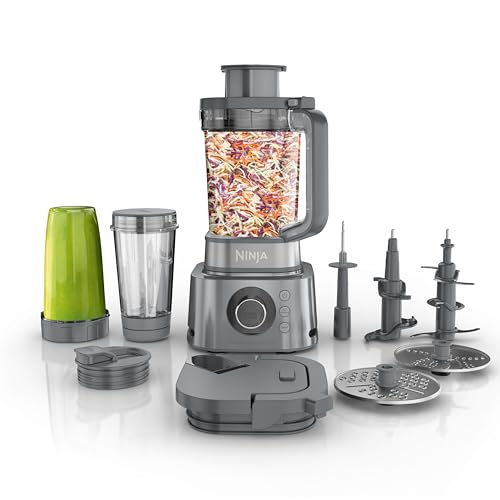
Some models offer task-specific conveniences. The Hamilton Beach 10-cup unit integrates a manual bowl scraper to clear side walls without lifting the lid. Multipurpose configurations, such as the Ninja Kitchen System TB401, swap between a 72-ounce blending pitcher and an 8-cup processing container, offering versatility similar to dedicated budget-friendly blenders.
Cleaning Access and Dishwasher Compatibility
Cleaning convenience influences how often an appliance gets pulled from the cupboard. Intricate locking lids and handle grooves collect food debris that requires manual brushing. Machines featuring BPA-free, top-rack dishwasher-safe parts simplify maintenance, though high heat drying cycles can warp plastic over time.
Assembly styles also alter cleanup routines. The Hamilton Beach Stack & Snap series eliminates twist-lock bowl mechanisms, resting directly on the motor hub to reduce crevices where purees get trapped. Look for smooth touchpad controls that wipe clean quickly without trapping liquid around physical buttons.
How We Compared These Products
This guide is based on technical research, manufacturer product specifications, and verified customer feedback rather than direct hands-on testing. We compared published bowl capacities, motor wattages, included disc attachments, safety locking mechanisms, and cleaning requirements across each unit. Evaluating these specifications against realistic kitchen workloads highlights the practical operational strengths and physical space trade-offs of each model.
Which Option Fits Your Kitchen?
If you operate in an apartment, an RV, or simply want to chop a single onion or whip a small vinaigrette without cleaning a heavy bowl, the Hamilton Beach 3 Cup Electric Vegetable Chopper fits modest footprints. Its simple press-to-chop lid and 350-watt motor handle everyday small-volume tasks cleanly.
For cooks who routinely prep large family meals or batch shred cheese for casseroles, the Hamilton Beach Stack & Snap 14 Cup Food Processor offers substantial capacity without a complicated twist-lock interface. Its dual-bowl arrangement provides a 14-cup workhorse and a nested 4-cup cup for smaller pestos or garlic chopping.
When tasks include dense pastry doughs or high-volume vegetable slicing, the Breville BFP810 Sous Chef 16 Cup Food Processor delivers robust construction. Featuring a 1450-watt induction motor, an extra-wide 5.5-inch feed chute, and an adjustable 24-setting slicing disc, it supports precision prep for demanding kitchen projects.
Home cooks seeking strong blending capabilities alongside basic food prep can look at the Ninja Kitchen System, BlendSense Tech, 72 oz. It combines an 1800-peak-watt motor base with an 8-cup processing container and a full-size beverage pitcher to handle dual duties on a single countertop base.
Frequently Asked Questions
Can a food processor substitute for a blender?
A food processor purees salsas, pestos, and chunky sauces, but its wide bowl and non-sealed lid joints make it prone to leaking if filled high with thin liquids. Tall pitcher blenders generate a tighter vortex to liquefy smoothies and silky soups. Combination appliances bundle dedicated processing bowls and blending jars on one motor base to handle both tasks.
What size food processor is best for everyday cooking?
An 8-cup to 10-cup work bowl represents a practical middle ground for households of two to four people. This size fits medium batches of mirepoix, shredded cheese blocks, or single pie crusts while still fitting inside standard 12-inch base cabinets without consuming excessive shelf depth.
Why should you use a dedicated dough blade instead of the metal S-blade?
Metal S-blades possess sharp cutting edges that can slice through gluten strands rather than stretching and folding them. Dough blades are typically constructed of blunt, durable plastic shaped to pull and knead yeast doughs and pastry crusts without overworking the mix or cutting the gluten matrix.
Are food processor parts safe for the dishwasher?
Most modern food processor bowls, lids, pushers, and blades are labeled as top-rack dishwasher safe. However, prolonged exposure to high-temperature wash and heated dry cycles can cause clear plastics to craze, discolor, or warp over time. Hand washing sharp blades also helps preserve edge sharpness longer.
How does feed chute size impact ingredient preparation?
A small chute requires trimming onions, zucchini, and blocks of cheddar into thin strips or quarters so they drop down the tube. Wide chutes, measuring up to 5 inches or more, accept whole potatoes and large blocks of cheese directly, eliminating preliminary cutting board prep before slicing or shredding.



Write Your Review
No reviews yet. Be the first to share your experience!