

Countertop appliances often demand valuable workspace while offering overlapping functions. Choosing between dedicated air fryers and multi-purpose toaster ovens breville or alternative brands forces trade-offs between vertical clearance, batch size, and daily utility.
This comparison examines interior capacities, footprint flexibility, and heating systems across 4 popular options to help match equipment to your prep habits.

Pros
- Flips up to reduce counter footprint when stored
- Accommodates 12-inch pizza or six bread slices
- Broad temperature range between 85 and 450 degrees
- Includes air fry basket, sheet pan, and crumb tray
Cons
- Shallow vertical clearance prevents cooking tall foods
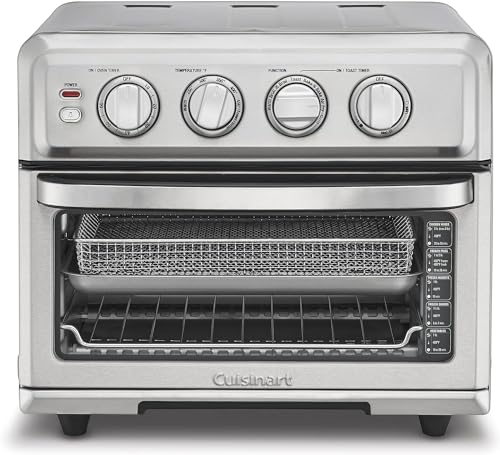
Pros
- Reversible ceramic nonstick grill and griddle included
- Accommodates 12-inch pizza or four-pound chicken
- Reaches 450 degrees with 60-minute auto-shutoff timer
Cons
- Weighs over 25 pounds, limiting easy movement
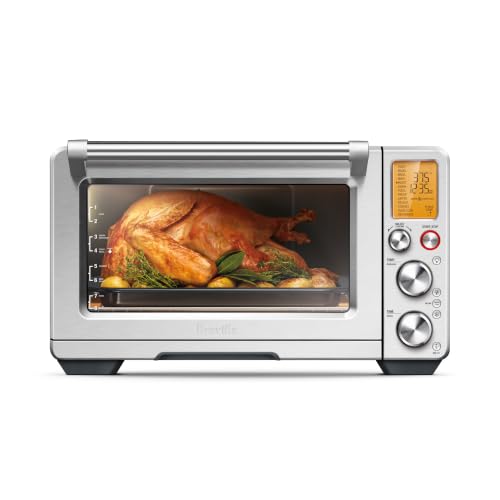
Pros
- Spacious interior fits standard Dutch ovens and turkeys
- Thirteen distinct settings expand cooking versatility
- Two-speed convection fan enables rapid, even heating
- Includes five dedicated cooking trays and racks
Cons
- Heavy 30-pound frame makes moving difficult
- Large footprint demands substantial countertop space
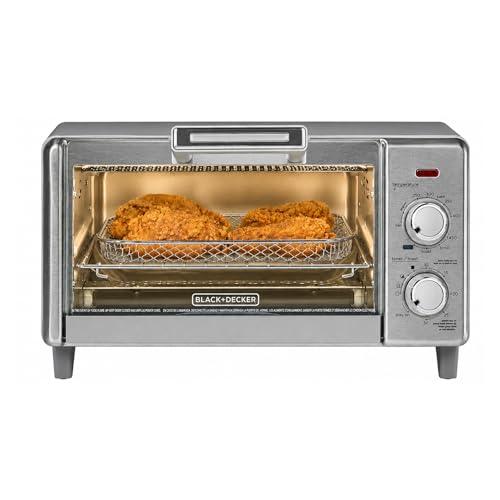
Pros
- Five cooking functions in one compact appliance
- Includes dedicated air fry mesh tray and bake pan
- EvenToast technology designed for consistent browning
- Removable crumb tray simplifies routine cleanup
Cons
- Thirty-minute timer restricts longer baking tasks
- Interior limited to nine-inch pizzas or four slices
Buying Guide: Key Factors for Toaster Ovens Breville and Alternatives
Internal Capacity Versus Exterior Footprint
Interior dimensions dictate both food volume and the cookware shapes you can use. Large units accommodate standard 9×13 inch baking pans or multiple toast slices, making them practical substitutes for full-size ranges. Compact models conserve prep room but restrict users to smaller personal pans. Measure upper cabinet clearance and depth before selecting larger appliances like those found in our toaster ovens category.
Heating Elements and Convection Airflow
Heating technology directly affects browning consistency and cook times. Standard radiant rods provide basic baking and broiling, while multi-element systems with variable algorithms direct heat dynamically. High-velocity convection fans produce rapid air circulation for crisping, bridging the gap between baking and air frying. If your primary goal is rapid frying performance rather than baking versatility, reviewing dedicated air fryers may also clarify performance differences.
Storage and Countertop Clearance
Permanent countertop footprint limits usable food preparation space. Certain modern designs incorporate flip-up storage capabilities, rotating vertically against backsplashes when idle. High-capacity rectangular ovens require fixed clearance on all sides for heat dissipation. Buyers with small prep areas must weigh the convenience of leaving an appliance out against storage mechanisms that reclaim work surfaces.
Control Interfaces and Presets
Oven interfaces range from mechanical dials to digital LCD screens. Dials allow rapid adjustments but lack precision for delicate tasks like dough proofing or low-temperature dehydrating. Digital interfaces display exact temperatures, preheat alerts, and timers, reducing guesswork. Choosing between intuitive manual knobs and programmed settings depends on how often you prepare varied recipes.
Accessory Selection and Cleaning Maintenance
Grease management determines long-term ease of maintenance. Wire racks, air fry baskets, and specialized grill plates collect drippings rapidly during high-heat cooking. Removable pull-out crumb trays and accessible interior walls prevent baked-on residue. Review included accessories to verify whether they require manual scrubbing or fit standard cleaning routines.
How We Compared These Products
This guide evaluates published manufacturer specifications, dimensional data, included accessories, and verified owner feedback. We analyzed advertised cooking functions, heating configurations, interior volume claims, and footprint requirements across Breville, Cuisinart, BLACK+DECKER and more models. Our evaluations rely on systematic specification research rather than direct laboratory testing.
Which Option Fits Your Kitchen?
For cooks needing extensive capacity and advanced cooking modes, the Breville BOV900BSS Smart Oven Air Fryer Pro provides 13 functions, dual-speed convection, and space for large cookware like 9×13 inch baking pans or a 5-quart Dutch oven.
If reclaiming prep space on narrow countertops is your priority, the Ninja Flip Toaster Oven & Air Fryer, 8-in-1 offers vertical flip-away storage that cuts footprint requirements when not in use while retaining 12-inch pizza capacity.
For compact spaces or straightforward tasks like morning toast and personal snacks, the BLACK+DECKER 4-Slice Air Fry Toaster Oven handles basic broiling and air frying without dominating kitchen space.
Households seeking balanced capacity and dedicated grilling functionality may prefer the Cuisinart Air Fryer Toaster Oven, 1800W, which includes a reversible grill and griddle plate alongside standard air fry and bake racks.
Frequently Asked Questions
Can a multi-function toaster oven replace a standard air fryer?
Countertop ovens with high-speed convection fans replicate air fryer airflow patterns across broader, shallower trays. While basket units often concentrate heat more tightly, toaster oven styles permit single-layer cooking for larger food volumes without stacking.
How much countertop clearance is needed around these units?
Countertop ovens radiate heat through their exterior housings during prolonged baking. Most manufacturers advise maintaining several inches of open space around exterior walls and above the roof, keeping units clear of lower cabinet edges and flammable items.
Are these appliances capable of replacing a traditional range oven?
Units offering spacious cavities can handle standard 12-inch pizzas, multi-pound roasts, and standard quarter-sheet pans. They preheat faster and consume less energy for everyday meals, though primary ovens remain necessary for full-sized sheet pans or tall holiday poultry.
What maintenance is required to prevent kitchen smoke?
Fat drips from high-heat broiling or air frying frequently land on crumb trays or lower heating elements. Emptying crumb trays after each use and positioning drip pans beneath mesh baskets helps keep grease away from hot components.
Do flip-up ovens require cooling before vertical storage?
Ovens with vertical storage hinges must cool down sufficiently before being folded back against wall surfaces or backsplashes. Consult the unit’s specific operating manual for stated cooldown cycles before clearing counter surfaces.



Write Your Review
No reviews yet. Be the first to share your experience!