

Ice cubes destroy cheap blender blades and overheat low-torque motors. Home cooks want bar-quality frozen drinks or smooth fruit purees, but standard pitcher blades often spin under ice blocks without catching. Finding blenders that crush ice requires matching motor wattage, blade geometry, and jar capacity to daily food prep.
Buyer priorities differ. Some need compact single-serve cups for morning protein shakes. Others need massive multi-serving pitchers for weekend hosting. This guide details motor specs, pitcher materials, and control systems across top options to help kitchen prep run smooth without burning out motor bases.

Pros
- 1400-peak-watt motor handles dense frozen ingredients
- Three automated Auto-iQ presets simplify drink prep
- Top-rack dishwasher-safe pitcher and blade assembly
- Large 64-ounce max liquid blending capacity
Cons
- Tall 17.5-inch height may challenge low upper cabinets
- Max liquid capacity capped at 64 ounces

Pros
- Dishwasher-safe removable jar, lid, blades, and collar
- Spout design prevents counter drips and spills
- Wave Action system forces ingredients into blades
- Stainless steel blades crush ice effectively
Pros
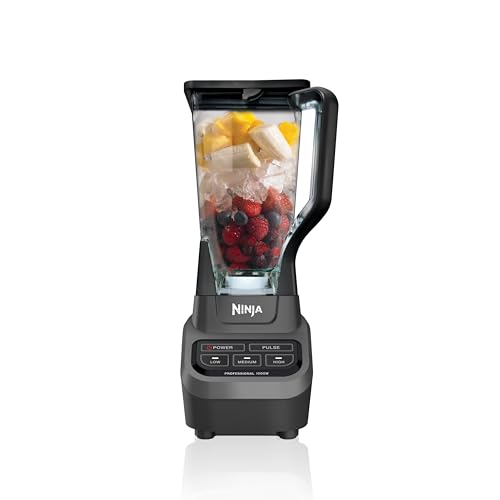
- 1000-watt motor crushes ice into snow quickly
- Large 72-ounce pitcher fits multi-serving batches
- Dishwasher-safe BPA-free pitcher simplifies cleanup
Cons
- Liquid capacity capped at 64 ounces
- Tall 15.94-inch height may challenge low cabinets

Pros
- Includes two 16-ounce cups with to-go spout lids
- Removable components are top-rack dishwasher safe
- Three manual speeds plus pulse and single-serve functions
Cons
- Pitcher maximum liquid capacity is 64 ounces
Pros
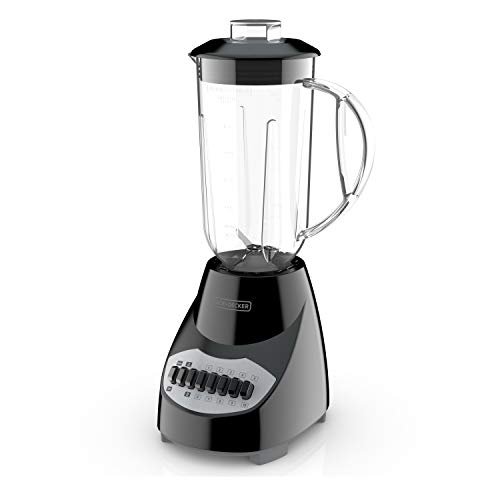
- Dishwasher-safe jar, lid, and blade assembly
- Ten blending speeds plus pulse control
- Lid insert doubles as one-ounce measuring cup
- Lightweight 48-ounce jar with pour spout

Pros
- Includes three 20-ounce cups and travel lids
- Top-rack dishwasher safe removable components
- Compact footprint under five inches wide
Cons
- Requires manual push-down pressure during blending
- Only two travel spout lids for three cups
Buying Guide: Selecting Blenders That Crush Ice
Motor Wattage and Peak Power Ratings
Motor wattage dictates mechanical force applied against dense ice cubes. Units under 700 watts often struggle with solid freezer trays unless users add heavy liquid volume first. Higher wattage motors, such as 1400-watt or 1800-watt bases, turn cubes into fine slush without thermal overload. Buyers seeking thick frozen margaritas or snow cones need sustained torque rather than brief burst power. If budget limits wattage choices, check our review of cheap blenders for balance between cost and functional motor strength.
Blade Assembly and Multi-Level Stacks
Traditional blender blades sit flat at pitcher bottoms. This creates air pockets where ice floats above spinning cutters. Multi-tiered blade spindles, like vertical stacked assemblies found in Ninja pitcher models, engage ice throughout entire height of jar. Upper blades pull cubes downward while bottom blades pulverize fragments into uniform snow. Trade-off involves handling safety. Tall blade shafts detach completely, requiring cautious hand-washing or top-rack dishwasher placement to avoid accidental cuts.
Pitcher Materials and Working Capacities
Pitcher build impacts longevity and countertop storage. Thick glass jars resist scratching from spinning ice shards but add heavy weight during pouring and cleanup. Plastic polycarbonate jars offer lightweight handling and resist impact shocks if dropped, though hard ice collisions create surface micro-scratches over time. Pay close attention to stated total volume versus safe liquid line. Many 72-ounce pitchers cap safe liquid blends at 64 ounces to prevent violent overflow during high-speed pulverizing. Measure cabinet clearance, since tall 72-ounce pitchers rarely slide under standard lower cupboards while mounted on motor bases.
Pulse Controls and Automated Programs
Continuous blending often melts ice prematurely from motor friction. Pulse controls let users crack cubes into chunks using controlled power spikes. Intelligent preset routines cycle through fast pulses and pauses, allowing heavy chunks to drop back onto blade edges before final high-speed blending starts. Manual multi-speed dials suit cooks wanting precise control over food texture, while preset auto-crush buttons let cooks step away during prep. For morning routines focused on frozen fruit mixes, browse our curated selections of blenders for smoothies with timed cycles.
Single-Serve Cups Versus Full-Size Pitchers
Batch volume determines everyday utility. Full-size 68-ounce to 72-ounce pitchers accommodate party refreshments, family meal portions, or large-scale ice crushing for chilling seafood platters. However, washing large jars and complex lid seals for single drink portions wastes time. Personal to-go cups blend inverted directly over blade bases, eliminating extra dirty dishes. Households splitting duties between family meal prep and solo gym shakes benefit from hybrid packages supplying both pitcher sizes and personal to-go containers.
How We Compared These Products
Product comparisons in this guide rely on manufacturer technical sheets, verified build dimensions, motor wattage specifications, and customer feedback patterns rather than internal lab measurements. We analyzed container capacities, blade geometry designs, control interfaces, and included accessory sets across listed countertop models to identify strengths and trade-offs for varied kitchen routines.
Which Option Fits Your Kitchen?
For large households and frequent party hosts, high power and big pitchers matter most. Ninja Professional Plus Blender, Auto-iQ, 1400W delivers 1400 peak watts paired with 72-ounce pitcher and triple-tiered stacked blades that shred dense ice batches into frozen drinks without manual stirring.
For cooks wanting dual functionality without purchasing separate appliances, Ninja Blender Pro+, 1100W, 72oz Pitcher, 2 Cups bridges gap effectively. Model includes large 72-ounce pitcher for bulk drink batches alongside two 16-ounce personal cups with spout lids for single-portion protein shakes on busy mornings. Explore similar versatile options inside our guide to blenders for milkshakes.
For space-restricted kitchens or solo meal preppers, compact countertop footprints take priority. Ninja Nutri-Plus Personal Blender, 900PW, (3) utilizes compact 900-watt push-to-blend motor base paired with three 20-ounce cups, crushing frozen ingredients without occupying permanent countertop real estate. For broader kitchen appliance shopping, check our comprehensive blender category guide.
Frequently Asked Questions
Can any standard kitchen blender crush ice without liquid?
Most standard blenders need liquid lubricant to create vortex flow. Running low-wattage units with dry ice cubes risks blade denting and motor burning. Models with stacked vertical blades or dedicated high-wattage ice settings turn dry ice into snow, but adding small amounts of liquid always eases mechanical stress on motor bearings.
How much motor wattage is necessary to crush ice cubes consistently?
Motors with 700 to 900 watts crush ice mixed with liquids or frozen fruit chunks. For pulverizing solid dry cubes into fluffy bar-grade snow quickly, aim for 1000 watts to 1400 watts. Higher wattage sustains blade velocity when hitting hard, frozen obstacles.
Are stacked blade assemblies safer or harder to clean?
Stacked blade assemblies offer superior ice crushing because cutters span jar height. However, entire shaft lifts out loose, creating handling hazards during sink washing. Cleaning requires care: rinse immediately after use or place assembly safely on top rack of dishwasher.
Does crushing ice dull stainless steel blender blades over time?
Ice impact gradually rounds sharp blade edges over months of regular use. However, ice crushing relies heavily on motor speed and impact force rather than razor-sharp edges. Thick, hardened stainless steel blades pulverize ice through blunt force collision rather than fine slicing.
Why does ice freeze into solid clump around bottom blade?
Cavitation causes this issue. Blades spin so fast they push material outward, creating air bubble void above cutters. Using pulse mode breaks air bubble, letting ice chunks fall back into blade path instead of melting into compacted ring.
Can standard mason jars fit on personal blender bases?
Most modern personal blenders use proprietary cup thread patterns and safety lock tabs. Threading standard mason jars onto modern motor bases rarely works and risks cracking glass threads or bypassing critical motor safety interlocks.




Write Your Review
No reviews yet. Be the first to share your experience!