

Home cooks often fight uneven pan heating and scorched sauces. Stainless steel cookware cuisinart solves heat management problems across gas, electric, and induction cooktops through aluminum core construction. Choosing between single open skillets and multi-piece cookware sets requires balancing cabinet space against daily cooking tasks.
This guide compares 5 options from Cuisinart to help you pick cookware matching your stove type, meal volume, and sink maintenance routines. Learn how disc bases differ from clad construction before spending money.
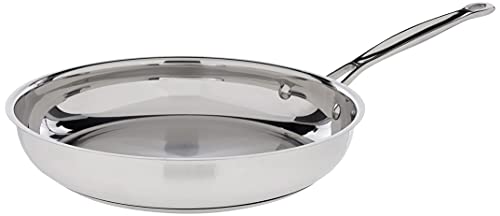
Pros
- Even heat distribution via aluminum encapsulated base
- Works on induction, gas, and electric cooktops
- Riveted stainless handle stays cool during stovetop cooking
- Dishwasher safe for low-effort cleanup
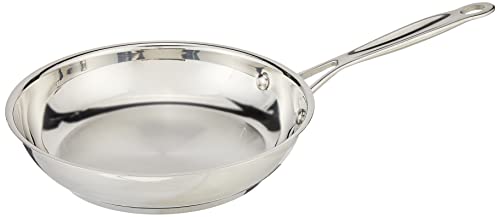
Pros
- Aluminum encapsulated base distributes heat evenly
- Works on induction, electric, and gas cooktops
- Non-reactive stainless steel cooking surface
- Dishwasher safe construction

Pros
- Induction, gas, and electric cooktop compatible
- Oven safe up to 500°F
- Dishwasher safe construction makes cleanup fast
- Aluminum encapsulated base eliminates hot spots

Pros
- Triple-ply aluminum core construction heats evenly
- Oven safe up to 500 degrees Fahrenheit
- Induction cooktop compatible
- Tapered rims ensure drip-free pouring
Cons
- Heavy total set weight of 26 pounds

Pros
- Oven safe up to 500 degrees Fahrenheit
- Dishwasher safe for easy cleaning
- Aluminum-encapsulated base spreads heat evenly
- Riveted stay-cool stainless steel handles
Cons
- Glass lids rated lower at 450 degrees
- Heavy 34.6-pound combined set weight
How to Choose Stainless Steel Cookware Cuisinart
Base Construction: Disc-Encapsulated vs Triple-Ply
Metal layering controls heat conduction. Pure stainless steel conducts thermal energy poorly. Cuisinart uses two engineering styles across lineup: aluminum-encapsulated disc bases and full triple-ply construction. Chef’s Classic items bond thick aluminum disc to pot bottoms. Heat spreads quickly across bottom plate, preventing scorched spots during simmering. Sidewalls remain unclad stainless steel. If searing high cuts of meat, unclad sides stay cooler than base plate.
Triple-ply designs extend aluminum core from base all way up sidewalls. Heat distributes evenly through entire vessel. Sautéing vegetables occurs uniformly across interior surface. Disc bottoms weigh less, lower cost, and boil water rapidly. Triple-ply pieces provide superior perimeter browning but increase wrist strain. Choose triple-ply for delicate pan sauces, or encapsulated bases for simple boiling and high-heat searing.
Stovetop Compatibility and Induction Readiness
Magnetic exterior steel determines stovetop versatility. Induction burners demand magnetic stainless exterior layers to generate heat. All five listed Cuisinart models feature magnetic stainless steel exterior construction compatible with induction, gas, and electric cooktops. Flat bottom contact proves critical on glass cooktops. Warped pans create cold zones and waste energy.
Gas flames wrap around pan edges. Wide encapsulated bases protect bottom corners from direct flame heat. Check stove burner diameter against pan bottom diameter before buying. Putting eight-inch skillet over twelve-inch burner wastes fuel and risks handle scorching. For broader cooktop guidance, explore our guide to stainless steel cookware options.
Lid Construction and Oven Heat Limits
Pan lids dictate moisture retention and oven usage thresholds. Cuisinart supplies glass lids with Chef’s Classic sets and stainless steel lids with triple-ply collections. Glass lids let cooks monitor simmering liquids without lifting cover and dropping internal temperature. However, glass lids withstand oven temperatures up to 450 degrees Fahrenheit. Stainless steel lids tolerate higher oven heat alongside pans rated up to 500 degrees Fahrenheit.
Stainless lids create tighter moisture seal and resist accidental shatter drops. Glass covers offer visual convenience during reduction tasks. If broiling or finishing thick roasts under high broiler elements, verify lid ratings beforehand. Remove glass lids before setting oven above 450 degrees Fahrenheit.
Handle Comfort and Riveted Stability
Riveted connections ensure long-term structural safety under heavy food loads. Cuisinart Cool Grip handles use cast stainless steel attached with solid stainless rivets. Solid rivets never loosen like threaded screws, ensuring safe handling when moving hot oil or boiling stock. Contoured shape provides thumb support during one-handed flipping.
Large vessels like eight-quart stockpots and four-quart Dutch ovens include helper handles. Helper handles distribute heavy liquid weight across both hands, protecting wrists when pouring hot pasta water. Hollow handle geometry slows heat transfer along stovetop, keeping grip areas cooler during moderate cooking cycles.
Cookware Maintenance and Food Release
Stainless steel cooking surfaces lack chemical nonstick coatings. Mirror polish or brushed interior steel resists acidic corrosion from tomato sauces and citrus glazes without altering food flavors. Proper preheating prevents protein sticking. Heat dry pan, add cooking oil, then add food once oil shimmers.
Dishwasher cleaning cleans grease quickly, but harsh detergents cause cosmetic dulling over extended cycles. Hand washing with warm soapy water preserves mirror finish. When mineral scale or heat tint forms, use dedicated stainless cleaners. Read our guide covering how to clean stainless steel cookware for restoring factory luster.
How We Compared These Products
This comparison relies on manufacturer technical data, listed materials, physical dimensions, lid designs, and published customer feedback rather than hands-on testing. We analyzed aluminum core thickness, base contact area, oven temperature thresholds, dishwasher compatibility, and handle rivet construction across each Cuisinart model. Evaluating these documented specifications helps identify which pieces withstand high kitchen workloads without guesswork.
Which Option Fits Your Kitchen?
Small Kitchens and Single-Portion Cooking: Pairing compact pans saves shelf space. Cuisinart 8-Inch Open Skillet cooks morning eggs, toasts nuts, and reheats small sides without taking up stovetop room. Cooks needing daily skillet for searing meat cuts or sautéing greens should choose Cuisinart 10-Inch Open Skillet. Both frying pans store easily inside narrow drawers.
High-Volume Multicourse Meal Prep: Households cooking varied family dinners need Cuisinart 17-Piece Stainless Steel Cookware Set. Large bundle provides four saucepan sizes, three skillet sizes, Dutch oven, stockpot, and steamer insert. Broad selection ensures correct pots for simultaneous boiling, sauce reductions, and steaming.
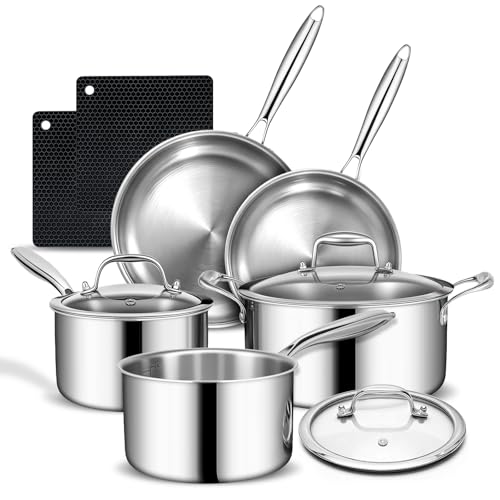
Even Sidewall Heating and Sauté Tasks: Cooks seeking perimeter heat distribution should select Cuisinart Stainless Steel Pots and Pans Set. Triple-ply construction carries aluminum heat core up vessel sides, producing uniform sauce reductions and balanced braising. Stainless steel lids tolerate 500-degree oven heat without temperature limits. Cooks comparing box configurations can inspect our guide on choosing stainless steel cookware sets.
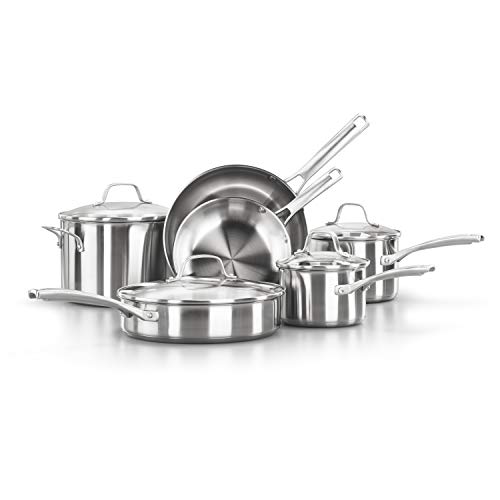
Essential Core Setup on Moderate Budget: If you want standard collection without storage clutter, Cuisinart Chef’s Classic 11-Piece Stainless Steel handles primary boiling, searing, and straining duties.
Frequently Asked Questions
Is Cuisinart stainless steel cookware compatible with induction cooktops?
Yes. Listed models feature magnetic stainless steel outer bases. Magnetic properties allow electromagnetic induction coils to create heat directly within pan metal. Always match pan base diameter to induction burner ring for maximum efficiency.
Can you put Cuisinart stainless steel cookware inside oven?
Pan bodies withstand oven temperatures up to 500 degrees Fahrenheit. Stainless steel lids also tolerate 500 degrees Fahrenheit. Tempered glass lids withstand heat up to 450 degrees Fahrenheit. Always use heat-resistant oven mitts when removing hot cookware.
How do you prevent food from sticking to stainless steel pans?
Preheat dry stainless pan over medium heat for two minutes. Add cooking fat until surface shows faint ripples. Place dry proteins into hot oil. Food releases naturally once seared crust develops. Never place cold wet meat into unheated pan.
Is Cuisinart stainless cookware dishwasher safe?
Yes. Manufacturer listings confirm dishwasher compatibility across these collections. However, harsh detergent salts cause exterior mirror finish to haze over time. Hand washing preserves high-gloss shine and prevents mineral water spots.
What is difference between Chef’s Classic and triple-ply cookware?
Chef’s Classic features aluminum encapsulated only inside bottom base plate. Triple-ply construction bonds aluminum core continuously between two stainless steel sheets along bottom and sidewalls. Triple-ply distributes heat more uniformly across sides, while encapsulated disc bases cost less.
How do you clean scorched burnt food from pan base?
Add water and two tablespoons baking soda to pan. Simmer mixture on stovetop for ten minutes to loosen charred residue. Let pan cool, then scrub using non-abrasive sponge. Avoid steel wool pads that scratch polished stainless finishes.


Write Your Review
No reviews yet. Be the first to share your experience!