

Cooks struggle with hot spots, warped pan bases, and stuck food when using thin metal pans. Choosing reliable stainless steel cookware solves these heat control issues and lasts decades without degrading.
This guide compares multi-layer cladding, base encapsulation, handle ergonomics, and oven limits. Cooks learn which piece counts fit cabinet storage, cooking styles, and stove types without excess bulk.

Pros
- Tri-ply clad construction ensures even heat distribution
- Compatible with induction and all common stovetops
- Oven safe up to 500 degrees Fahrenheit
- Dishwasher safe for convenient cleanup
Cons
- Glass lid handles require careful manual assembly
- Improper screw installation risks cracking glass lids

Pros
- Works on induction and standard stovetops
- Tri-ply base ensures even heat distribution
- Vented glass lids monitor cooking progress
- Riveted stay-cool stainless steel handles
Cons
- Description notes hand washing despite dishwasher claim

Pros
- Induction, gas, and electric cooktop compatible
- Oven safe up to 500°F
- Dishwasher safe construction makes cleanup fast
- Aluminum encapsulated base eliminates hot spots

Pros
- Oven safe up to 500 degrees Fahrenheit
- Dishwasher safe for easy cleaning
- Aluminum-encapsulated base spreads heat evenly
- Riveted stay-cool stainless steel handles
Cons
- Glass lids rated lower at 450 degrees
- Heavy 34.6-pound combined set weight

Pros
- Works across induction, gas, and electric cooktops
- Interior measurement markings simplify prep
- Dishwasher safe construction enables quick cleanup
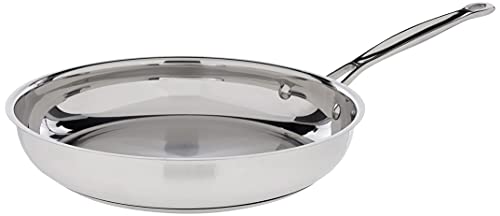
Pros
- Even heat distribution via aluminum encapsulated base
- Works on induction, gas, and electric cooktops
- Riveted stainless handle stays cool during stovetop cooking
- Dishwasher safe for low-effort cleanup
Buying Guide for Stainless Steel Cookware
Clad Tri-Ply Versus Encapsulated Base
Stainless steel resists corrosion but conducts heat poorly alone. Manufacturers add aluminum cores to spread thermal energy evenly. Clad tri-ply extends aluminum across bottom and sidewalls, eliminating scorching near rim curves. Encapsulated disc bottoms place aluminum solely on base surfaces. Fully clad pans heat sidewalls faster for sauces and reductions, while encapsulated bases lower cost for stockpots and boiling tasks.
Stovetop and Induction Compatibility
Magnetic exterior steel ensures operation on induction cooktops alongside gas and electric burners. Grade 430 stainless steel provides magnetic attraction needed for magnetic induction coils. Non-magnetic alloys fail on induction surfaces. Buyers using magnetic induction stoves must confirm magnetic steel exteriors before purchase, as detailed in our induction cookware sets guide.
Handle Design and Heat Transfer
Solid riveted connections provide strength and prevent loose fittings over time. Hollow cast handles reduce conductive heat transfer from burner flames to chef hands. Helper handles on larger sauté pans and stockpots grant balance when lifting heavy braises. Cooks should check handle clearance inside cabinet shelves and ovens.
Lid Materials and Oven Limits
Tempered glass lids permit visual food monitoring without releasing steam, but carry lower temperature limits around 450°F. Stainless steel lids withstand broiler heat up to 500°F or higher. Pans rated to 500°F allow stovetop searing followed by oven roasting. Cooks wanting deep braising options can also compare heavy cast pieces in our dutch oven options guide.
Full Sets Versus Individual Cookware Pieces
Large boxed collections deliver lower per-piece cost but consume vast shelf space. Single skillets or two-pot sets target specific cooking gaps without cluttering drawers. Cooks building kitchens from scratch benefit from complete collections, while experienced cooks often select standalone pans, as shown in our everyday frying pans comparison and general cookware sets guide.
How We Compared These Products
This guide relies on technical specification analysis, published manufacturer data, and aggregate user feedback rather than hands-on laboratory cooking trials. Evaluation criteria focused on construction layers, base disc bonding, stovetop compatibility, oven temperature ratings, handle fastening methods, and cleaning requirements across each piece.
Which Option Fits Your Kitchen?
For equipping complete kitchens at once, Cuisinart 17-Piece Stainless Steel Cookware Set supplies seventeen components including multiple saucepans, skillets, steamer inserts, and stockpots to handle extensive meal preparation.
For dedicated searing and skillet work without redundant saucepans, EWFEN Tri-Ply Stainless Steel Frying Pans Set delivers three pan sizes with full-body clad heat spread and matching glass lids.
For compact spaces, side dishes, or reheating small portions, Idymere Tri-Ply Stainless Steel Pot 1.5Qt & 2.5Qt provides two everyday pot sizes with tri-ply heating and hanging holes to minimize cabinet congestion.
For replacing single worn frying pans, Cuisinart 10-Inch Open Skillet offers balanced aluminum-encapsulated base performance with cool grip handling for everyday stovetop tasks.
Frequently Asked Questions
Does Stainless Steel Cookware Work on Induction Stoves?
Pans work on induction cooktops when outer base layers contain magnetic stainless steel like grade 430. All listed items specify induction compatibility through magnetic exterior cladding or bonded base discs.
How Do Cooks Prevent Food Sticking to Stainless Steel?
Preheat pans over medium heat before adding cooking oil. Add food once oil shimmers across cooking surfaces. Cold proteins stick tightly until natural browning releases them from metal bottoms.
Can Stainless Steel Pots Go Inside Ovens?
Most stainless steel pans withstand oven temperatures up to 500°F. Glass lids generally tolerate lower heat limits around 450°F. Broiler use requires removing glass lids completely.
Are Stainless Steel Cookware Sets Dishwasher Safe?
Manufacturers list these pans as dishwasher safe. Hand washing with warm soapy water and non-abrasive pads preserves mirror polish finishes longer and prevents harsh detergent clouding.
What Cleans Burnt Residue Off Stainless Steel?
Boil water with baking soda inside scorched pans to loosen stuck carbon layers. Vinegar and specialized powdered stainless steel cleaners remove stubborn mineral scale or heat tint discoloration.
Why Do Handles Stay Cool During Stovetop Cooking?
Hollow cast stainless steel slows thermal conduction from pan bodies. Long handle geometry isolates gripping zones from direct heat sources unless placed inside ovens or over wide gas flames.



Write Your Review
No reviews yet. Be the first to share your experience!