

A skillet that scorches delicate eggs or buckles over high heat quickly creates frustration at mealtime. Different pan constructions serve distinct kitchen routines, meaning a single design rarely excels at delicate omelets, high-heat searing, and large family stir-fries simultaneously.
Choosing among the frying pans best matched to your kitchen requires balancing heat tolerance, cooktop compatibility, diameter, and daily cleaning effort. This guide outlines how construction materials and handle designs dictate real-world kitchen performance.

Pros
- Compatible with all cooktops including induction
- PFOA- and PFOS-free nonstick surface
- Cleans quickly with simple wipe or rinse

Pros
- Dual pour spouts simplify liquid transfers
- Compatible with all common stovetops including induction
- Heat-resistant Bakelite handle stays cool
- Lightweight 2.6-pound frame eases daily handling
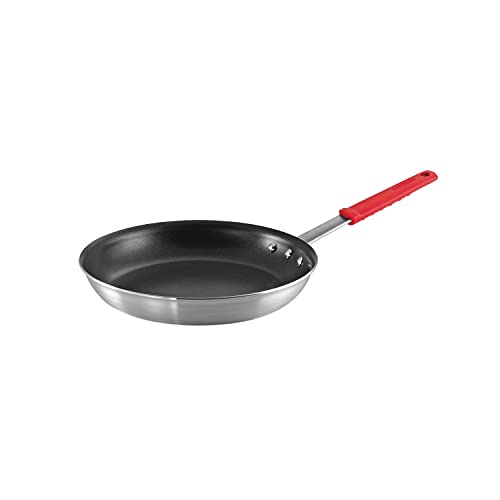
Pros
- Even heat distribution from heavy-gauge aluminum
- Reinforced nonstick coating ease cleanup
- Removable silicone grip protect hands
- NSF certified with lifetime warranty
Cons
- Not compatible with induction cooktops
- Oven temperature limit capped at 400 F

Pros
- Induction-compatible magnetic stainless steel base
- Three pan sizes cover diverse cooking tasks
- PFOA- and PFOS-free nonstick coating
- Cleans easily with quick rinse or wipe

Pros
- Three pan sizes cover varied meal prep needs
- Riveted Bakelite handles provide secure grip
- PFOA-free nonstick coating releases food easily
Cons
- Hand washing recommended despite dishwasher safe designation
- Only explicitly rated for electric and ceramic cooktops
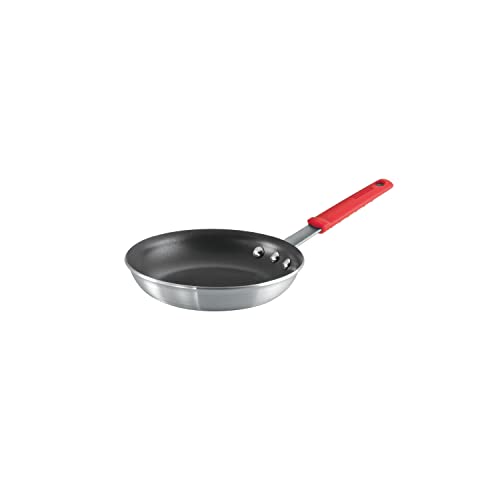
Pros
- Even heat distribution from heavy-gauge aluminum
- Oven-safe up to 400°F
- Removable soft-grip silicone handle sleeve
- Dishwasher-safe construction
- NSF-certified with lifetime warranty
Cons
- Incompatible with induction cooktops
- Oven-safe only up to 400°F

Pros
- Oven-safe up to 900°F
- Compatible with all cooktops including induction
- Safe for metal utensils and dishwashers
- Tri-ply aluminum core heats evenly
Cons
- Lid not included with purchase
- Lifetime warranty excludes commercial use

Pros
- Heavy-gauge aluminum provides fast and uniform heating
- NSF certified with removable silicone handle sleeve
- Oven safe up to 400 degrees Fahrenheit
- Dishwasher-safe construction simplifies routine cleanup
Cons
- Not compatible with induction cooktops
- Oven temperature restricted to 400 degrees Fahrenheit

Pros
- Generous five-quart capacity with deep sidewalls
- Works on all stovetops including induction cooktops
- Rivetless interior prevents food buildup and eases cleaning
- Helper handle aids lifting heavy 5.3-pound pan
Cons
- Hand washing recommended to maintain nonstick coating life
- Relatively heavy footprint at over five pounds

Pros
- Oven safe up to 1000°F
- Works on all cooktops including induction
- Coating-free titanium cooking surface
- Stay-cool handle design
Cooktop Compatibility and Base Construction
Cookware base construction determines how effectively heat transfers from your burner to your ingredients. Standard aluminum pans provide rapid, uniform heat distribution across gas and electric burners but do not work on induction ranges without a magnetic plate.
Models like the CAROTE and VocVoi options incorporate magnetic stainless steel bases to ensure induction functionality. Conversely, pans such as the Tramontina Professional line feature heavy-gauge aluminum suited for gas, electric, and ceramic tops, but the manufacturer explicitly notes they do not function on induction surfaces. Always check your cooktop requirements before deciding on base materials.
Cooking Surface Materials and Care Requirements
The interior surface dictates what cooking utensils you can use and how gently you must wash the pan. Traditional nonstick coatings and mineral-style granite finishes allow delicate foods to slide off with minimal fat, but they require soft sponges and non-metal utensils to avoid surface scratches.
Hybrid and uncoated metal surfaces handle significantly more abuse. The HexClad pan pairs a laser-etched stainless steel grid with a ceramic nonstick surface, allowing metal utensil use. For cooks avoiding chemical coatings entirely, the VocVoi skillet features a pure titanium interior designed for high durability without standard applied nonstick layers.
Pan Diameter and Usable Depth
Sizing directly impacts portion capacity and burner crowding. An 8-inch skillet works well for single-egg preparations or small side dishes, taking up little storage space. A 10-inch diameter serves standard two-person meals, while 12-inch or 12.5-inch pans accommodate multi-serving family proteins without crowding.
Sidewall height also changes cooking utility. Deep skillets, like the SENSARTE 5-quart saute pan, feature tall walls that contain oil splatter and hold liquids for simmering or braising. Low-flared skillets prioritize easy spatula access when flipping pancakes or delicate fish fillets.
Handle Design and Oven Limits
Handle construction governs how safely you can maneuver a hot pan and whether it can transition from stovetop to oven. Stay-cool Bakelite handles, found on models from Kordisen and Utopia Kitchen, protect bare hands on the stovetop but melt under high oven broiler heat.
Cookware designed for baking and roasting features metal handles or removable grips. Tramontina skillets include removable silicone sleeves and carry a 400-degree Fahrenheit oven rating. Skillets built for extreme heat, such as HexClad rated to 900 degrees Fahrenheit or VocVoi rated to 1000 degrees Fahrenheit, allow seamless broiler finishing.
How We Compared These Products
This comparison is based on detailed product research rather than firsthand lab testing. We evaluated manufacturer specifications, base materials, stated oven thresholds, handle construction, and documented buyer feedback across 10 models. By analyzing these functional features alongside standard culinary requirements, we identified trade-offs in durability, maintenance, and kitchen utility.
Which Option Fits Your Kitchen?
For One-Pan Meals and Liquid Simmering
If your daily cooking involves braising, boiling, or stir-frying dishes with ample sauce, low-profile skillets often spill liquid over cooktop burners. The SENSARTE Nonstick Frying Pan Skillet with Lid solves this via a deep 5-quart capacity, an included tempered glass lid, and a front helper handle for balanced two-handed carrying.
For High-Heat Searing and Stovetop-to-Oven Cooking
Cooks who sear meats at high temperatures or finish dishes under the broiler need materials that tolerate intense heat without degrading. The HexClad 10″ Hybrid Nonstick Frying Pan handles oven temperatures up to 900 degrees Fahrenheit and permits metal utensil usage. If an uncoated design is preferred, the VocVoi Titanium pans for cooking,12″ Nonstick pro provides pure titanium construction rated up to 1000 degrees Fahrenheit.
For Traditional Stovetops and High-Volume Daily Cooking
Busy home kitchens with standard gas or electric ranges benefit from heavy-gauge aluminum that heats rapidly and evenly without demanding delicate care. The Tramontina Professional 12-Inch Non Stick Large offers commercial-style NSF certification, a spacious 12-inch surface, and a removable silicone handle grip for straightforward stovetop control.
Frequently Asked Questions
Can any frying pan be used on an induction cooktop?
No. Induction burners require cookware with a magnetic bottom layer, such as stainless steel, cast iron, or an integrated magnetic base plate. Aluminum pans without a specialized base plate will not activate induction heating elements.
What is the difference between hybrid cookware and traditional nonstick?
Traditional nonstick uses an unbroken polymer or ceramic coating across the entire cooking surface, offering maximum food release at moderate temperatures. Hybrid cookware combines raised stainless steel peaks with recessed nonstick valleys, offering improved browning and scratch resistance from metal tools at the cost of slight food release performance.
Are nonstick frying pans safe for dishwasher cleaning?
While many manufacturers label their pans dishwasher-safe, aggressive detergents and high drying temperatures cause coatings to wear down prematurely. Hand washing with warm water, mild soap, and a soft sponge prolongs surface lifespan across nearly all coated cookware designs.
Why are Bakelite handles limited in the oven?
Bakelite is a thermosetting plastic engineered to stay cool to the touch on stovetops. However, sustained oven temperatures above 300 to 350 degrees Fahrenheit can cause it to crack, blister, emit fumes, or degrade structurally, making all-metal handles preferable for baking tasks.
What pan size is most versatile for daily use?
A 10-inch skillet generally provides the best compromise between surface area and storage convenience for one- to three-person households. It offers ample flat surface to cook two chicken breasts or three eggs without overcrowding standard domestic stovetop burners.

Write Your Review
No reviews yet. Be the first to share your experience!