

Countertop cooking often comes down to single trade-off: high-velocity airflow for fast crisping versus interior volume for standard baking pans. Choosing between air fryers vs convection oven designs means balancing heat distribution, cook times, and counter space. While standard convection units rely on gentle fan circulation to eliminate cold pockets across wide racks, air fryers use concentrated heat elements and high-speed fans to mimic frying without deep oil.
Many modern appliances merge both mechanisms into multi-cookers. Understanding heating element placement, interior vertical clearance, and rack layouts ensures you buy cooker matching actual meal sizes rather than marketing labels.

Pros
- Independent top and bottom element control
- Integrated digital food probe with automatic shutoff
- PFAS-free ceramic nonstick grill and griddle plate
- Dishwasher-safe racks and removable crumb tray
Cons
- Large 20-inch exterior footprint demands significant counter space
Pros
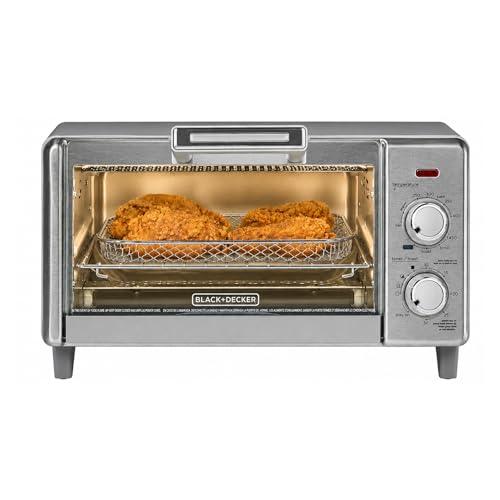
- Five cooking functions in one compact appliance
- Includes dedicated air fry mesh tray and bake pan
- EvenToast technology designed for consistent browning
- Removable crumb tray simplifies routine cleanup
Cons
- Thirty-minute timer restricts longer baking tasks
- Interior limited to nine-inch pizzas or four slices

Pros
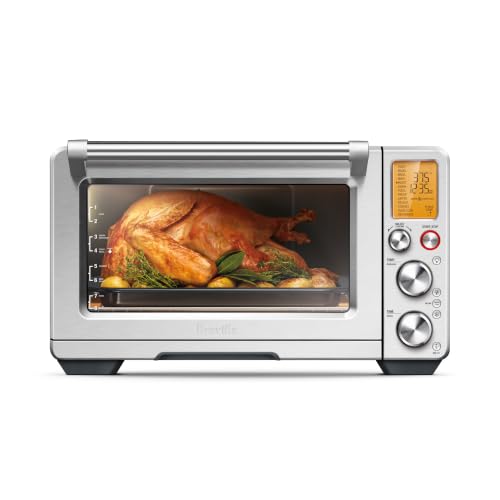
- Spacious interior fits standard Dutch ovens and turkeys
- Thirteen distinct settings expand cooking versatility
- Two-speed convection fan enables rapid, even heating
- Includes five dedicated cooking trays and racks
Cons
- Heavy 30-pound frame makes moving difficult
- Large footprint demands substantial countertop space

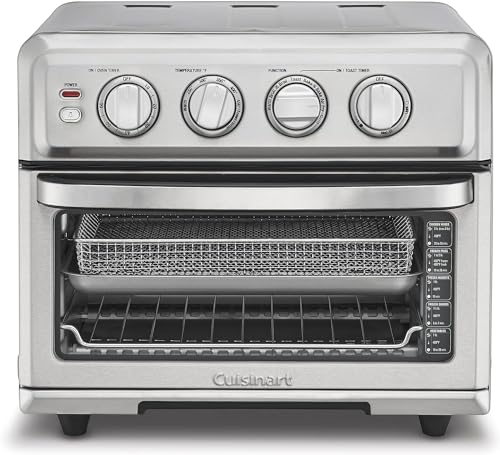
Pros
- Flips up to reduce counter footprint when stored
- Accommodates 12-inch pizza or six bread slices
- Broad temperature range between 85 and 450 degrees
- Includes air fry basket, sheet pan, and crumb tray
Cons
- Shallow vertical clearance prevents cooking tall foods
Pros
- Reversible ceramic nonstick grill and griddle included
- Accommodates 12-inch pizza or four-pound chicken
- Reaches 450 degrees with 60-minute auto-shutoff timer
Cons
- Weighs over 25 pounds, limiting easy movement
Pros
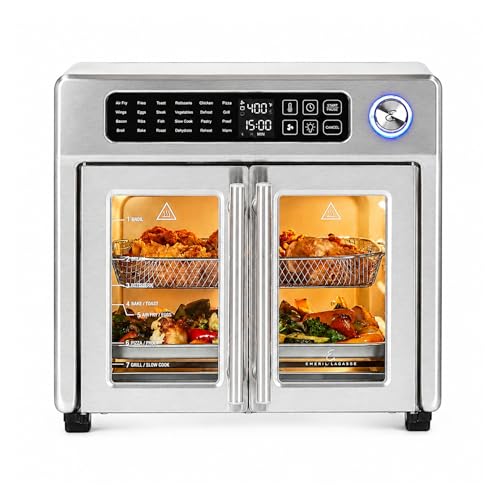
- Large 26-quart capacity accommodates batch meals
- Single-pull French doors simplify interior access
- Dual-speed fan circulates superheated air
- Dedicated toast timer with automatic shutoff
- Interior light allows monitoring during cooking
Cons
- Bulky dimensions require substantial counter space
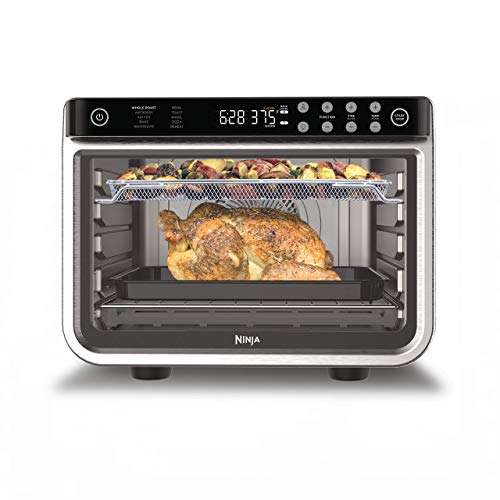
Pros
- Two-level cooking capacity fits full meals
- Handle display indicates proper rack height
- Rapid ninety-second preheat saves meal prep time
- Includes complete accessory set with two sheet pans
Cons
- Heavy thirty-three-pound frame limits portability
- Large footprint occupies significant counter space
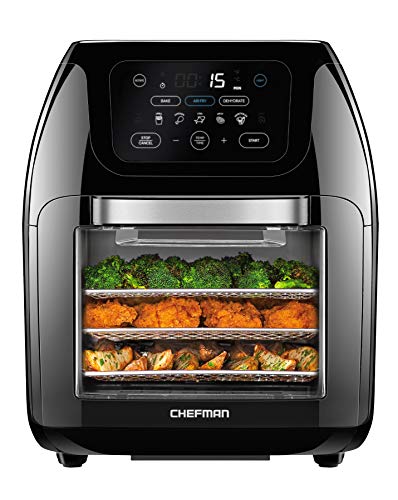
Pros
- Generous 10-liter multi-rack cooking capacity
- Includes rotisserie spit, retrieval tool, and three racks
- Seventeen one-touch digital presets for diverse tasks
- Dishwasher-safe removable accessories streamline cleanup
Buying Guide: Key Differences in Air Fryers vs Convection Oven Units
Airflow Velocity and Fan Mechanics
Primary difference between air fryers vs convection oven cooking comes down to fan speed. Standard convection ovens move air gently to equalize chamber temperature, avoiding dried surfaces during slow roasts or delicate baking. Air fryers run high-velocity fans directly over heating elements to rapidly strip moisture from food exteriors, producing blistered, crisp skins.
Units like Breville BOV900BSS Smart Oven Air Fryer Pro solve this by offering two-speed convection fans. This switch gives user direct control over whether unit acts like gentle baker or aggressive fryer. If daily cooking involves baking cakes, slow braises, and delicate casseroles alongside chicken wings, variable fan speed prevents blowing batter or over-drying foods.
Interior Capacity and Usable Vertical Space
Manufacturer quart measurements mislead when buying kitchen appliances. Tall, narrow units boast large internal volume yet fail to fit standard 9×13-inch baking dishes, half-sheet pans, or 12-inch frozen pizzas. Dedicated air fryers with pull-out baskets pack food tightly, which forces batch cooking for families.
Wider convection-style designs accommodate multi-rack cooking. For instance, Ninja Foodi XL Pro Air Fry Oven, 10-in-1 allows two-level cooking that fits whole roast chicken alongside sheet pan of vegetables. When comparing models, measure interior width and depth against existing bakeware before buying, or browse our guide on choosing air fryers large enough for family cooking.
Heating Element Configuration
Basic air fryer designs feature single coiled element above basket, relying entirely on downward fan pressure. Countertop convection ovens use multiple quartz or calrod heating elements across top and bottom walls to balance radiant heat.
Advanced ovens like Nuwave Bravo XL Pro Air Fryer Toaster Oven w/Grill provide adjustable top and bottom heater power ratios. Setting bottom heaters higher than top elements creates crispy pizza crusts without burning cheese toppings. Check if appliance provides independent element cycling or forces fixed power output on every mode.
Countertop Footprint and Storage Clearance
Convection toaster ovens occupy substantial counter real estate and require clearance from cabinets due to exterior wall heat. Dedicated basket air fryers occupy smaller horizontal footprints but require vertical clearance under upper cabinetry to open properly.
If workspace remains tight, space-saving designs matter. Ninja Flip Toaster Oven & Air Fryer, 8-in-1 flips upward against kitchen backsplash when idle, reclaiming counter depth. For tight budgets and small studio kitchens, reviewing cheap air fryers or compact multi-cookers prevents cluttering food prep surfaces.
Cleaning Access and Drip Management
Air frying renders significant grease from fatty proteins. Basket-style units contain grease within sealed drawer, whereas toaster-oven-style convection units let oil splatter across exposed heating elements, interior walls, and glass doors. Look for removable crumb trays, non-stick interior coatings, and dishwasher-safe wire baskets to minimize maintenance effort after high-heat frying.
How We Compared These Products
This comparison relies on detailed analysis of manufacturer technical data sheets, interior dimensions, wattage specifications, heating configurations, and verified customer feedback. We did not conduct physical lab testing on these units. Instead, models were evaluated on heating element layouts, usable interior space versus counter footprints, preset functions, included accessories, and maintenance requirements to identify suitable options for specific cooking habits.
Which Option Fits Your Kitchen?
For cooks wanting full convection oven replacement capable of delicate baking, multi-rack roasting, and high-velocity crisping, Breville BOV900BSS Smart Oven Air Fryer Pro offers 13 cooking functions, five quartz elements, and dual-speed convection fan that handles standard baking sheets. See our roundup of choosing toaster ovens Breville models for similar capabilities.
For kitchens with minimal counter workspace, Ninja Flip Toaster Oven & Air Fryer, 8-in-1 fits 12-inch pizza or four pounds of food during operation, then folds up vertically against wall to reclaim counter space when finished.
For high-capacity meal prep on budget, Gourmia Toaster Oven – 6-Slice Capacity provides 25-quart capacity, French doors for easy pan loading, and 1700W convection power across 17 built-in presets without demanding premium investment.
Frequently Asked Questions
Does convection oven make food as crispy as air fryer?
Standard full-size convection ovens rarely produce identical crispness because internal air cavity remains large and fan speed runs lower. Countertop air fryers concentrate heat in smaller space with high-speed fans, stripping moisture faster. Hybrid countertop ovens with dedicated air fry settings narrow this gap significantly.
Can standard baking pans fit inside air fryer toaster ovens?
Fits depend on unit width and internal depth. Large toaster-style units often accommodate standard 9×13-inch pans without handles, 12-cup muffin trays, or 12-inch pizzas. Basket-style air fryers require specialized round or square insert pans and cannot accept standard commercial bakeware.
Do countertop air fryers cook faster than full-sized ovens?
Countertop air fryers preheat faster than conventional ovens due to small chamber volume. Most achieve target temperatures within two to three minutes, cutting total cooking times for weeknight meals by 20 to 30 percent compared to standard wall ovens.
Is air fryer toaster oven harder to clean than basket model?
Yes. Air fryer toaster ovens expose interior walls, rack tracks, and heating elements to grease vapor. Basket models contain splatter inside pull-out bucket that washes quickly in sink. Toaster oven styles require wiping interior walls and removing slide-out crumb trays after cooking fatty proteins.
Can air fryer completely replace standard toaster?
Countertop convection ovens with wire racks toast sliced bread effectively using dedicated toast cycles. Basket air fryers struggle to toast bread evenly, as circulating airflow can blow slices around basket while browning surfaces unevenly.


Write Your Review
No reviews yet. Be the first to share your experience!