

Food prep demands right tool for job. Confusion between food processors vs blenders stalls many kitchen upgrades. Food processors slice, shred, grate, mix thick dough in wide bowls. Blenders pull liquids into center vortex using tall pitchers for drinks, soups, purees. Picking wrong unit leads to uneven cuts, stalled motors, counter messes.
Guide compares 4 options from Ninja, Hamilton Beach, Ganiza to help decide between standalone prep machines, hybrid systems, compact choppers. Readers can explore dedicated Food Processors or browse standalone Blenders to match daily habits, storage limits, cleanup preferences.

Pros
- 1000-peak-watt motor handles tough ingredients
- Four Auto-iQ one-touch preset programs
- Dishwasher-safe, BPA-free removable components
- Dedicated dough blade included
Cons
- Tall 16-inch profile demands vertical storage space

Pros
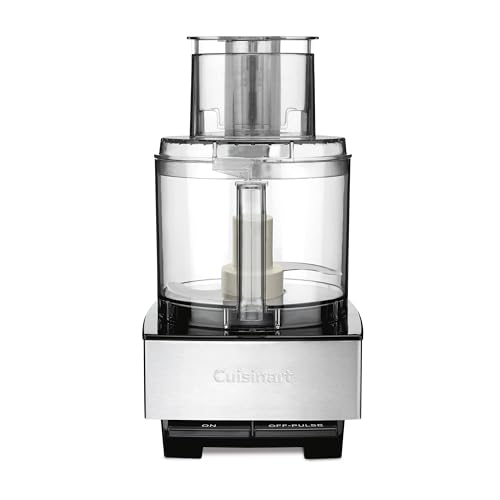
- Twist-free stack and snap bowl assembly
- Sealed 12-cup bowl prevents center leaks
- Wide chute fits whole produce with less precutting
- Dishwasher-safe removable parts for easy cleanup
- Suction cup feet improve countertop stability
Cons
- Tall 16.25-inch height requires ample vertical storage clearance

Pros
- Powerful 1500-watt motor base for tough blending
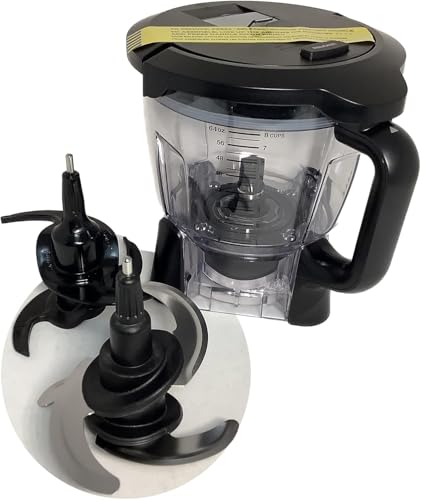
- Includes food processor bowl and personal travel cups
- Removable accessories are top-rack dishwasher safe
Cons
- Tall 18-inch profile requires significant cabinet clearance
- Pitcher usable liquid capacity limited to 64 ounces
- Blades require extreme caution during handling and cleaning

Pros
- Includes separate glass and stainless steel bowls
- Two speeds handle different ingredient textures
- Spring-loaded blades stop instantly when motor removed
- Removable stacked blades simplify post-prep cleaning
Cons
- Overheating protection requires cool-down pauses during heavy tasks
Container Shape and Blade Mechanics
Container shape determines how ingredients move during operation. Blenders rely on tall, tapered pitchers with small bottom blades. Narrow base forces liquid downward, creating continuous vortex for velvety emulsions. Food processors use wide, flat-bottomed work bowls. Broad base gives dry ingredients room to circulate without turning into paste.
Blade types differ radically. Blenders use fixed or removable bottom assemblies designed for pulverizing. Processors feature interchangeable tools like S-blades, dough hooks, slicing discs, shredding discs. If recipe requires uniform cucumber slices or shredded cheese, blender blades will mangle food. Wide bowl handles bulk solids; tall pitcher handles fluid volume.
Liquid Capacity and Spill Management
Processing wet ingredients reveals major boundary line between equipment types. Standard food processors have center drive shafts with hole in bowl bottom. Overfilling bowl with liquid causes leaks through center spindle onto motor base. Units like Hamilton Beach 12-cup model use sealed bowls to stop leaks, but total liquid limit still falls below advertised dry capacity.
Pitchers built for blending seal completely at base with tight-locking lids. Large 72-ounce pitcher handles batches of soup or frozen drinks without liquid creeping out seams. Cooks needing daily smoothies or broths should pick pitcher design. Cooks focusing on salsa, pesto, pie crust need processor bowl.
Motor Power and Resistance to Dense Loads
Wattage ratings signal how motor handles heavy resistance under load. Chopping soft onions or pureeing cooked squash requires modest power, around 450 watts. Heavy dough mixing, dense nut grinding, ice crushing require 1000 to 1500 watts to prevent motor stall. High wattage in blender spins small blades at high speeds for fine emulsions.
High wattage in processor delivers torque at lower speeds. Torque lets machine slice through firm root vegetables, knead yeast dough, grind raw meat without overheating. Examine motor protection features before buying. Models with auto-shutoff systems protect internal copper windings when processing dense loads.
Storage Footprint and Component Organization
Storage demands depend on accessory counts. Standalone blender needs room for base and pitcher. Food processor requires storage for work bowl, lid, feed tube pusher, multiple cutting discs, accessory blades. Multi-bowl choppers demand nested cabinet space for glass and stainless vessels.
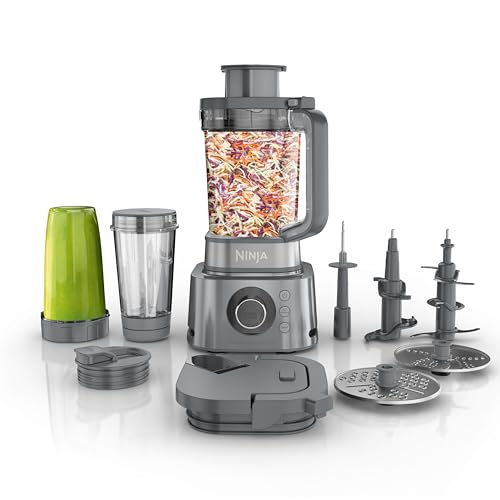
Hybrid systems combine motor base with blender pitcher, processor bowl, personal cups. Hybrid saves motor base space on counter but multiplies cabinet clutter with extra lids and blade stacks. Measure cabinet shelf height before purchasing tall 72-ounce pitchers or feed chutes.
Assembly Speed and Daily Cleanup
Assembly complexity changes how often cooks use appliance. Traditional food processors require twist-lock bowls, interlocking lids, handle alignments before motor engages. Modern stack-and-snap designs eliminate twist locks, speeding prep setup. Blender pitchers drop directly onto base with simple alignment notches.
Cleaning trade-offs exist for both tools. Blenders clean quickly by running warm soapy water on high speed for thirty seconds. Food processor bowls require hand washing or top-rack dishwasher runs to clean shredding discs, lid crevices, drive shafts. Check if removable components carry BPA-free dishwasher-safe ratings before purchase.
How We Compared These Products
Analysis relies on manufacturer specifications, material listings, reported user experiences, functional design comparisons. Evaluation examines stated motor wattage, bowl volume, blade versatility, safety mechanisms, assembly styles across Kitchen Appliances category. Research highlights practical limits without hands-on lab testing or brand sponsorship.
Which Option Fits Your Kitchen?
Cooks wanting both beverage blending and vegetable prep without buying separate bases should consider Ninja Kitchen System Pro, 1500W, 72oz Pitcher. Unit pairs 1500-watt motor with 72-ounce crushing pitcher, 8-cup processor bowl, single-serve travel cups. Handles ice crushing, smoothie blending, dough mixing up to two pounds with dedicated attachments.
Home cooks focused strictly on bulk vegetable prep, grating cheese, making slaws should target Hamilton Beach 12 Cup Stack & Snap Food Processor. Stack-and-snap assembly eliminates twist locking, while large feed chute swallows whole potatoes. Sealed 12-cup bowl holds large volume without leaking liquids down center motor column.
For dedicated dough making, slicing, pureeing without full blender attachment, Ninja Professional Plus Food Processor, 1000PW delivers 1000 peak watts with 9-cup bowl and preset Auto-iQ programs. Cooks with tiny spaces needing raw meat grinding or vegetable chopping can choose Ganiza Food Processors with 2 Bowls, utilizing 8-cup glass and stainless steel bowls with compact top-mounted motor head.
Frequently Asked Questions
Can food processors crush ice like blenders?
Food processors cannot crush ice into fine snow without dulling flat S-blades or scratching plastic bowls. Blenders feature thick, angled blades and tapered pitchers designed to drop ice cubes directly into blade path. Use blender for frozen cocktails, crushed ice drinks, thick fruit smoothies.
Can blenders knead bread or pizza dough?
Blenders lack proper blade geometry and bowl width for yeast dough. Narrow pitcher base causes dense flour mixtures to pack around bottom blades, overheating motor. Food processors include wide blunt plastic dough blades that fold, stretch, knead dough across wide bowl floor.
Which machine works better for hot soups?
Blenders produce silky soup texture that food processors cannot match. However, blending hot liquids creates steam pressure. Users must vent blender lid cap and cover with towel to avoid lid blow-off. Standalone processors leave grit or vegetable chunks in soup and leak if filled past liquid fill lines.
Can food processors make fruit smoothies?
Food processors puree soft fruits, but output remains thick with fibrous pulp. Wide bowl prevents vortex action needed to pulverize kale, berries, seeds, ice into liquid consistency. For liquid drinks, check dedicated cheap blenders designed specifically for beverages.
Do food processors require more cabinet space?
Food processors occupy wider footprint and require separate storage for sharp slicing discs, shredding plates, stem adapters, pushers. Blenders stand taller, often challenging low upper cabinets, but use fewer loose accessories. Measure counter-to-cabinet clearance before picking tall appliances.
Can food choppers replace full-sized food processors?
Compact choppers handle small batches of salsa, ground meat, minced garlic, chopped nuts. Choppers lack feed tubes, continuous slicing discs, dough blades found on full-sized units. Choppers suit daily meal prep for one or two people but struggle with large batch prep.



Write Your Review
No reviews yet. Be the first to share your experience!