

Cast iron cookware provides steady heat retention and natural food release without synthetic coatings. Choosing between heavy 15-inch pans, compact single-serving skillets, and multi-pan sets often creates storage and handling challenges for home cooks.
This comparison examines essential frying pans cast iron designs, evaluating pan diameter, handle style, and weight capacity to help you match equipment to your space and menu.

Pros
- Cast iron provides even heat distribution
- Compact 1.94-pound build stores easily
- Oven and freezer safe construction
- Pre-seasoned PFAS-free cooking surface
Cons
- Hand wash only care required
- Small 6.5-inch size limits cooking capacity

Pros
- Compatible with induction, ovens, grills, and campfires
- Factory seasoned with 100 percent vegetable oil
- Includes silicone handle holder and assist handle
- High heat retention for searing and frying
Cons
- Requires manual hand washing and prompt oiling
- Weighs 5.35 pounds empty

Pros
- Includes three versatile skillet sizes
- Pre-seasoned with vegetable oil
- Compatible with stovetops, ovens, grills, campfires
- Reliable cast iron heat retention
Cons
- Requires hand washing and immediate drying
- Needs regular oiling to preserve seasoning

Pros
- Factory pre-seasoned with vegetable oil
- High heat retention for even cooking
- Compatible with stovetops, grills, and campfires
Cons
- Heavy weight at over 7.5 pounds

Pros
- Oven, stovetop, and campfire compatible
- Pre-seasoned cooking surface ready for use
- Teardrop handle aids grip and control
- Durable American-made cast iron build
Cons
- Weighs 3.2 pounds for compact 8-inch size

Pros
- Oven and campfire compatible versatility
- Pre-seasoned finish ready for immediate use
- Durable cast iron holds heat well
- PFAS-free construction
Cons
- Heavy 5.35-pound weight limits easy maneuvering

Pros
- Dual side handles fit easily inside compact ovens
- Versatile use across stovetops, grills, and campfires
- Heavy cast iron provides dependable heat retention
- Seasoned with oil without synthetic PFAS chemicals
Cons
- Weighs over 6.6 pounds empty
- Lacks long handle for single-handed pan tossing

Pros
- Versatile compatibility across stovetops, grills, and ovens
- Assist handle help manage large footprint
- Pre-seasoned surface free of PFAS and PTFE
- Large 15-inch surface accommodate high-volume cooking
Cons
- Heavy 12.36-pound weight limit one-handed handling
- 22.2-inch total length require substantial storage space
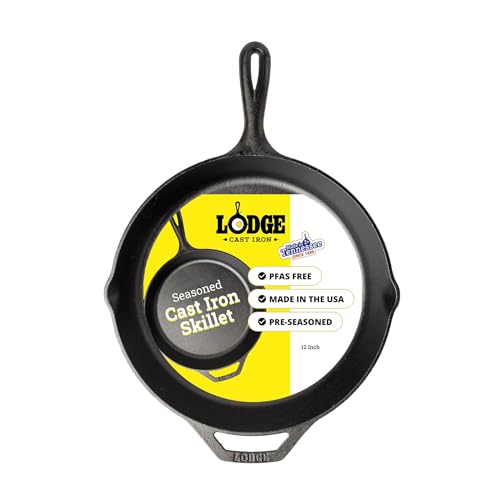
Pros
- Strong heat retention from dense cast iron body
- Versatile design safe for stovetop, oven, and campfire
- Factory pre-seasoned finish improve through continued use
- PFAS-free construction without synthetic chemical coatings
Cons
- Heavy build weigh nearly eight pounds empty
Buying Guide for Frying Pans Cast Iron
Pan Diameter and Cooking Surface Area
Diameter determines both food volume and stovetop footprint. A 10.25-inch pan handles standard portions for two cooks, while a 12-inch or 15-inch skillet accommodates batch cooking or whole cuts of meat without crowding. Compact 6.5-inch and 8-inch options work for single eggs or toasted nuts. If you are exploring frying pans and skillets across different materials, matching pan base size to your burner diameter prevents uneven outer edges.
Handle Configurations and Physical Weight
Cast iron is substantially heavier than aluminum or carbon steel. Traditional long handles provide leverage but make large pans difficult to lift with one hand. Assist handles on opposite rims distribute weight evenly across both wrists. Pans equipped with dual loop handles eliminate the long stick handle entirely, reducing overall length for compact oven baking or campfire grates. Silicone handle covers protect bare hands from absorbed heat during stovetop use.
Pre-Seasoning and Surface Maintenance
Most modern cast iron arrives pre-seasoned with baked vegetable oil, eliminating the need for raw iron seasoning before initial cooking. These factory layers provide basic rust protection and a starter release layer. Cooking with dietary fats continues to build durability over time. All cast iron requires hand washing and thorough drying, followed by light oiling to keep moisture from causing oxidation.
Stovetop and Oven Clearance
Cooking vessels constructed from pure iron work on gas, electric, and induction burners. Large options like 15-inch models extend past standard burner grates and domestic oven racks. Measure interior oven depth and storage cabinet clearances before purchasing extra-wide skillets, especially when planning to store them flat inside smaller kitchens.
How We Compared These Products
This evaluation relies on manufacturer technical data, pan measurements, factory coating materials, and aggregated user feedback. We did not conduct lab testing or firsthand cooking assessments for these products. Findings are derived from listed dimensions, weight distributions, and documented functional features across the supplied product catalog.
Which Option Fits Your Kitchen?
For standard daily meals requiring single-pan flexibility and burner handling, consider the Lodge Pre-Seasoned Cast Iron Skillet with Hot. Its 10.25-inch diameter fits primary burners cleanly, while the included silicone handle protector mitigates heat exposure during cooking.
For limited cabinet space or tighter oven racks, the Lodge Pre-Seasoned Cast Iron Dual Handle Pan offers a wide 12-inch base without a protruding stick handle. The two loop grips allow balanced two-handed transport and easier storage.
For high-volume family cooking, the Lodge Pre-Seasoned Cast Iron Skillet provides 15 inches of rim width. This footprint maximizes interior surface area for larger protein portions, though it demands dedicated storage space and strong wrist control.
To inspect broader equipment choices, review our advice on choosing the right frying pans cast iron for everyday cooking or look over standard cookware styles.
Frequently Asked Questions
Are cast iron frying pans induction compatible?
Yes. Cast iron contains high magnetic ferrous content, allowing it to interact directly with induction cooktop fields without requiring added adapter plates.
Can you use soap on pre-seasoned cast iron?
Mild dish soap can be used periodically on well-seasoned iron. Avoid harsh chemical degreasers, scouring powders, and dishwashers, which strip the protective oil polymer layer.
How do you prevent food from sticking to cast iron?
Preheat the dry pan over medium heat for several minutes before adding cooking fat. Adding room-temperature fats to hot iron seals food proteins more effectively than starting with cold pans.
What size cast iron skillet is best for two people?
A 10-inch or 10.25-inch diameter skillet fits two chicken breasts, two burgers, or breakfast sides without taking up unnecessary storage room or creating excessive weight.
Why does cast iron rust after washing?
Raw iron oxidizes when exposed to water and oxygen. Towel dry the skillet immediately after rinsing, warm it briefly over a stovetop burner to evaporate moisture, and apply a drop of cooking oil.


Write Your Review
No reviews yet. Be the first to share your experience!