

Cooking delicate proteins like eggs brings frustration when food bonds to hot metal. Choosing proper nonstick pan for eggs prevents torn whites, broken yolks, and stubborn morning cleanup.
Kitchen habits demand clear tradeoffs between surface coatings, diameter space, and cooktop compatibility. Guide breaks down 8 skillet designs so cooks match tools with breakfast routines.

Pros
- Oven and broiler safe up to 600°F
- Coating free of PFAS, PFOA, lead, cadmium
- Dishwasher safe for easy cleanup
- Sturdy riveted stainless steel handle
Cons
- Not compatible with induction stovetops

Pros
- Compatible with all stovetops including induction
- Rivetless interior allow quick wipe down
- Oven safe up to 550 degrees without handle
- Lightweight build ease wrist strain during cooking
Cons
- Hand washing recommended to preserve coating
- Handle must be removed for oven use
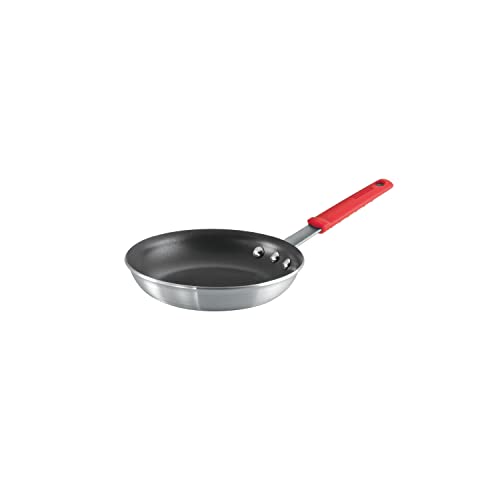
Pros
- Even heat distribution from heavy-gauge aluminum
- Oven-safe up to 400°F
- Removable soft-grip silicone handle sleeve
- Dishwasher-safe construction
- NSF-certified with lifetime warranty
Cons
- Incompatible with induction cooktops
- Oven-safe only up to 400°F
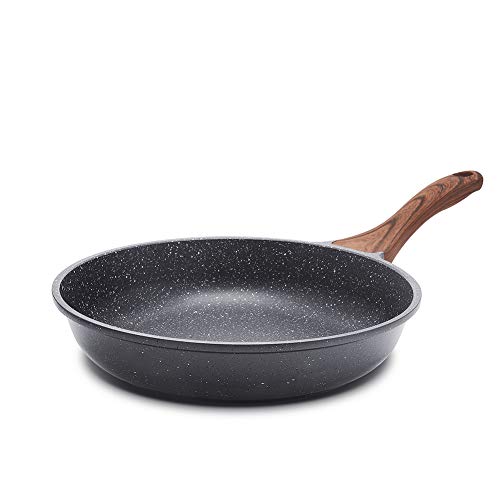

Pros
- Compatible with all cooktops including induction
- PFOA- and PFOS-free nonstick surface
- Cleans quickly with simple wipe or rinse

Pros
- Works on all stovetops including induction
- Lightweight 1.3-pound frame handles easily
- Nonstick coating wipes clean quickly
- PFOS- and PFOA-free surface

Pros
- Compatible with all cooktops including induction
- PFOA-free and PFOS-free nonstick surface
- Lightweight 1.65-pound frame enables easy handling
- Cleans quickly with simple water rinse

Pros
- Induction-compatible magnetic stainless steel base
- Three pan sizes cover diverse cooking tasks
- PFOA- and PFOS-free nonstick coating
- Cleans easily with quick rinse or wipe
Buying Guide: Choosing Nonstick Pan for Eggs
Coating Material and Release Capability
Egg cookery requires ultra-slick surfaces that shed fragile proteins without heavy butter layers. Ceramic coatings rely on mineral matrices free from PFAS, PFOA, lead, and cadmium, seen on pans like SENSARTE Nonstick Ceramic Frying Pan Skillet and Blue Diamond models. PTFE-style nonstick formulations, like Swiss ILAG coatings, offer proven glide for low-fat omelets. Ceramic surfaces handle moderate heat well but need gentle care to preserve release power. Check our ceramic cookware selection guide for deeper coating comparisons.
Pan Diameter and Interior Cooking Area
Diameter directly dictates egg shape and batch speed. Eight-inch pans like Tramontina Professional 8-Inch Non Stick Small skillet keep single fried eggs or two-egg folds compact, thick, and round. Larger ten-inch options offer space for folding wider French omelets or cooking multiple eggs together without crowding. Small skillets store compactly in tight cabinets but limit dinner portions. Match pan diameter to household breakfast count before buying.
Base Construction and Induction Fit
Uneven heat distribution causes egg edges to brown while centers stay raw. Heavy-gauge cast aluminum transfers heat quickly and prevents hot spots across cooking bottoms. Magnetic stainless steel base plates enable use across all stovetops including induction burners, found on CAROTE granite skillets. Models lacking magnetic base plates, like Tramontina Professional or Blue Diamond models, function only on gas, electric, and ceramic glass burners. Verify cooktop compatibility before choosing specific cookware designs.
Handle Design, Oven Ratings, and Comfort
Skillet control depends on sturdy, heat-resistant grip construction. Stainless steel handles fastened with rivets provide commercial durability and support oven temperatures reaching 400°F or 600°F. Stay-cool bakelite handles with faux wood finishes remain comfortable over open flames but cap oven exposure around 302°F unless detached. Cooks finishing frittatas under broilers require metal handles rated for high heat, while quick stovetop scrambled eggs favor cool-touch ergonomics. Explore our non-stick fry pan overview for additional handle ergonomic comparisons.
Cleaning Convenience and Rivet Design
Morning cleanup should take seconds without aggressive scrubbing. Interior rivets secure handles permanently but trap crusty egg residue along perimeter seams. Rivetless designs offer smooth interior walls that wipe clean with warm water and paper towels. Dishwasher cleaning remains listed for several aluminum pans, though machine detergents degrade nonstick release over time. Hand washing preserves slippery surfaces across all nonstick cookware models. Read our general nonstick cookware guide to learn proper maintenance steps.
How We Compared Products
Evaluation relies on published technical specifications, manufacturer documentation, and verified buyer reports across retail databases. Analysis compares pan body materials, base plates, oven safety ceilings, handle attachments, and coating disclosures. Work excludes hands-on kitchen testing or controlled laboratory heat mapping. Buyers should review manufacturer care guidelines to confirm suitability for daily stovetop habits.
Which Option Fits Your Kitchen?
For single-portion breakfasts on conventional gas or electric stoves: Tramontina Professional 8-Inch Non Stick Small features heavy-gauge aluminum, reinforced commercial nonstick coating, NSF certification, and removable silicone handle sleeve rated for 400°F oven finishing.
For induction cooktop owners wanting smooth ceramic surfaces: SENSARTE Nonstick Ceramic Frying Pan Skillet delivers 9.5-inch diameter cooking area, rivet-free interior for seamless wipe-downs, stay-cool bakelite handle, and cast aluminum body backed by magnetic base plate.
For high-heat oven versatility and compact storage: Blue Diamond 8″ Diamond Infused Ceramic Nonstick pan offers riveted stainless handle handling up to 600°F in ovens or broilers, diamond-infused ceramic coating, and warp-resistant forged aluminum base.
Frequently Asked Questions
What size nonstick pan works best for eggs?
Eight-inch pans suit one or two eggs perfectly. Sloped sides and small floors keep melted fats contained and prevent egg whites from spreading thin. Ten-inch pans work better for three-egg omelets or multi-portion family breakfasts.
Can these egg pans work on induction stoves?
Induction burners require ferrous magnetic bases. Models from CAROTE and SENSARTE feature stainless steel induction bottoms. Skillets from Tramontina and Blue Diamond lack induction plates, limiting use to gas, electric coils, and smooth glass cooktops.
Are ceramic nonstick egg pans durable?
Ceramic coatings provide slick initial release without fluoropolymer chemicals. Longevity depends on moderate heat settings, soft silicone utensils, and gentle hand washing. High stovetop heat and aerosol cooking sprays rapidly degrade ceramic slickness.
Why avoid cooking spray on nonstick pans?
Aerosol cooking sprays contain lecithin and propellants that bake onto skillet surfaces under low heat. Burnt residue creates sticky invisible films that ruin nonstick release. Light butter coats or drops of high-smoke-point oil protect cooking surfaces.
Should nonstick egg pans go into dishwashers?
Dishwasher chemicals and high water temperatures oxidize bare aluminum bases and erode nonstick coatings over time. Gentle hand washing using warm soapy water and soft sponge surfaces ensures longest release lifespan for breakfast pans.



Write Your Review
No reviews yet. Be the first to share your experience!