

Stovetop rice burns easily or boils over. Countertop electric cookers automate heat control, saving burner space alongside other gear like toaster ovens best for daily meals. Choosing rice cookers best suited for specific kitchens means balancing inner pot coatings, dry cup capacity, and sensor technology.
Different models serve single eaters, large families, or whole grain cooks. Guide examines 10 models to match kitchen workflow with durable features.

Pros
- Removable nonstick pot dishwasher safe
- Includes steamer basket, measuring cup, serving spoon
- Compact footprint fits crowded counters
- Switches automatically to keep-warm mode
Cons
- Requires included three-quarter cup measure for proper water ratios
- Three-cup dry capacity limits batch sizes
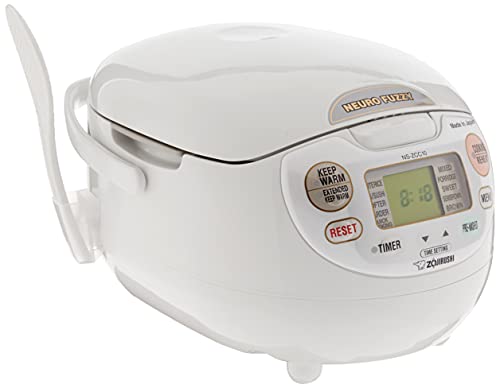
Pros
- Multiple specialized rice and porridge settings
- Spherical nonstick pan ensures uniform heating
- Retractable cord simplifies kitchen storage
- Automatic and extended keep-warm cycles
Cons
- Requires measuring with included cup only

Pros
- Integrated scale calculates exact water ratios automatically
- Automated water tank dispenses measured liquid directly
- Includes 21 presets for grains, rice, and beans
- Comes with ceramic nonstick pot and steam basket
Cons
- Bulky footprint and 10.5-pound weight require counter storage

Pros
- Dishwasher-safe nonstick pot and steam basket
- Automatic keep-warm mode lasts twelve hours
- Includes dual-purpose rinse and steam basket
- Hinged lid locks moisture inside pot
Cons
- Advertised cup capacity uses six-ounce rice cup standard
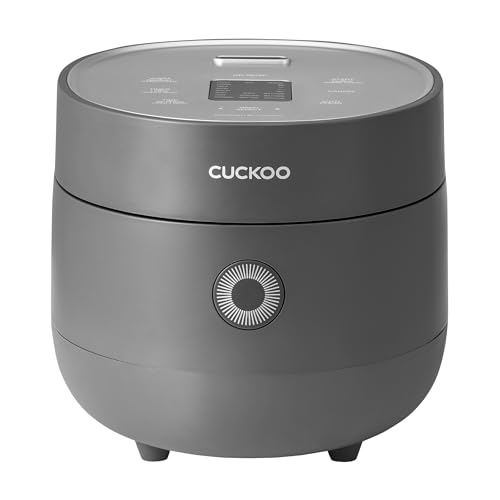
Pros
- Fuzzy logic automatically controls cooking temperature
- Twelve-cup cooked capacity suits family meals
- Removable lid and nonstick pot simplify cleaning
Cons
- Ten-pound weight makes frequent cabinet moving difficult
- Large footprint occupies significant counter space

Pros
- Removable nonstick bowl safe for dishwasher cleaning
- Automatic switch to keep-warm mode prevents overcooking
- Includes steaming basket, rice cup, and spoon
- Large 16-cup cooked capacity suits batch cooking
Cons
- Requires included measuring cup for accurate water ratios

Pros
- Durable stainless steel inner pot
- Automatic keep-warm functionality
- Clear tempered glass lid
- Included measuring cup and spatula

Pros
- Removable ceramic nonstick inner pot
- Automatic keep-warm setting after cooking
- Compact footprint weighs under 2.2 pounds
- Glass lid allows easy visual monitoring
Cons
- Small capacity limited to two cups cooked
- Single switch offers no manual temperature adjustments

Pros
- PFAS-free nonstick ceramic inner pot
- Automatic keep-warm cycle
- Removable pot and lid for easy cleaning
- Compact 1.5-quart countertop footprint
How to Choose Rice Cookers Best for Daily Grains
Usable Capacity and Batch Sizing
Makers list capacity in raw or cooked cups. Dry rice expands to double cooked volume. Included measuring cups usually measure 180 milliliters (three-quarters standard cup). Using standard measuring cup overfills cooker and triggers boil-over. Single diners need two-cup models, while families require six to sixteen cups.
Heating Logic and Controls
Basic one-switch models use thermal sensors under pot. Heat stops when water boils off completely. Microcomputer units like fuzzy logic models adjust temperature dynamically during cycle. KitchenAid unit incorporates scale and water reservoir to dose liquid automatically. High-tech sensors increase cooking time but prevent scorch. Simple switches cook faster with brown bottom crust.
Inner Pot Material and Nonstick Coatings
Pot liner dictates food release and cleaning speed. Aluminum pots with nonstick coat deliver clean grain release. Nonstick requires gentle wooden or silicone spoons to prevent scratching. Ceramic options offer alternative nonstick surfaces without PFAS coatings. Stainless steel pots avoid coatings completely, increasing longevity, but starches stick firmly unless soaked. Pair simple cleaning routines with low-maintenance appliances like electric kettles stainless steel models.
Lid Style and Moisture Retention
Glass lids let cooks monitor bubbling contents. Removable glass pieces clean fast but vent excess steam droplets across counters. Sealed hinged lids lock steam inside pot, maintaining steady internal humidity for fluffier grains. Hinged designs require cleaning inner lid plates and condensation collectors after use.
Countertop Footprint and Storage
Bulky cookers occupy permanent kitchen space near countertop microwave options. Models with retractable cords store neatly in cabinets. Compact units suit dorms, office desks, or travel setups. Deep units need vertical clearance so steam vents do not damage wall cabinets.
How We Compared These Products
Guide evaluates manufacturer specifications, listed materials, pot sizes, power ratings, and reported user experiences. Research does not include hands-on lab testing or proprietary kitchen measurements. Analysis links documented product features to everyday kitchen situations.
Which Option Fits Your Kitchen?
Single Diners and Small Kitchens: Limited counter space requires compact gear. Dash Mini Rice Cooker, 2-Cup Removable Ceramic cooks small single-cup batches without waste. Small footprint fits tight counters, and ceramic coating cleans quickly without harsh scrubbing.
Large Families and Batch Prep: Cooking large volumes requires expanded pot volume and steady heat. BLACK+DECKER 16-Cup Rice Cooker, RC516 handles eight uncooked cups yielding sixteen cooked cups. Included steaming basket lets cooks steam vegetables or protein simultaneously over rice.
Coating-Free Durability: Cooks seeking chemical-free metal surfaces avoid traditional coatings. Elite Gourmet ERC006SS 6-Cup Electric Rice Cooker features solid stainless steel inner pot. Metal construction tolerates scrubbing and avoids peeling over years of service.
Grain Variety and Precision Cooking: Multiple grain varieties demand computerized heat profiles. Zojirushi Ns ZCC10 Neuro Fuzzy Rice Cooker provides microcomputer settings for white, brown, sushi, and porridge. Spherical pan promotes uniform heat distribution across diverse rice grains.
Frequently Asked Questions
Why do rice cooker measuring cups differ from standard measuring cups?
Most rice cooker cups hold 180 milliliters instead of standard 240-milliliter US cups. Pots calibrate internal water lines to included cup dimensions. Using standard kitchen measuring cup causes improper water ratios and messy boil-overs.
Can stainless steel inner pots go in dishwashers?
Stainless steel pots withstand dishwasher cycles without damaging surface integrity. Nonstick aluminum pots require gentle hand washing with soft sponges to prolong coating lifespan.
How does fuzzy logic technology change rice texture?
Microchip sensors detect internal temperatures throughout cooking process. System alters heat output to accommodate uneven water levels or climate differences. Resulting grains cook evenly without burnt crusts.
Can rice cookers prepare other grains and meals?
Electric rice pots prepare oatmeal, quinoa, barley, farro, and lentils. Many models include steaming baskets for vegetables and seafood while grains boil below. Compare multi-purpose cooking functions alongside versatile tools like air fryer toaster ovens.
What causes rice to scorch on pot bottoms?
Single-switch cookers rely on bottom heating plates that stay hot until liquid evaporates. Starchy grains settle at bottom and brown quickly. Rinsing raw grains thoroughly removes surface starches, reducing sticky buildup and scorching.


Write Your Review
No reviews yet. Be the first to share your experience!