

Cast iron cookware retain heat better than thin aluminum, but heavy iron slow down fast weeknight meals. Cooks must balance long heat retention against wrist strain, cabinet space, seasoning routines.
This guide compare bare iron pans, enameled pots, combo sets. Details below help cooks match cookware to stove types, meal sizes, cleaning habits.

Pros
- Even heat distribution across cooking surface
- Pre-seasoned with 100% natural vegetable oil
- Includes heat-resistant silicone handle holder
- Versatile for stovetop, oven, and campfire cooking
Cons
- Heavy 7.5-pound weight limits single-hand handling

Pros
- Skillet lid functions as separate cooking pan
- Transitions between stovetops, ovens, grills, and campfires
- Dense cast iron delivers even heat retention
Cons
- Heavy 13.13-pound weight complicates handling and washing

Pros
- Pre-seasoned cooking surface ready for immediate use
- Versatile compatibility across stovetops, ovens, and campfires
- Includes three practical pan sizes for diverse tasks
- Made in the USA from durable cast iron
Cons
- Heavy total set weight of 17.35 pounds

Pros
- Works on stovetops, ovens, grills, and campfires
- Factory pre-seasoned with vegetable oil for immediate use
- Includes three distinct sizes for different portion needs
Cons
- Not dishwasher-safe and requires hand washing
- Requires oil application after every wash

Pros
- Dual-purpose skillet lid functions as separate pan
- Pre-seasoned with vegetable oil without synthetic chemicals
- Integrated loop handles ease heavy lifting
- Cast iron retains heat efficiently across varied heat sources
Cons
- Requires hand washing instead of dishwasher cleaning
- Requires immediate stovetop drying and manual oil seasoning

Pros
- Works on induction, gas, electric, and ceramic stovetops
- Smooth enamel surface eliminates traditional seasoning requirements
- Delivers even heat distribution and steady retention
- Handles tasks from stovetop frying to oven baking
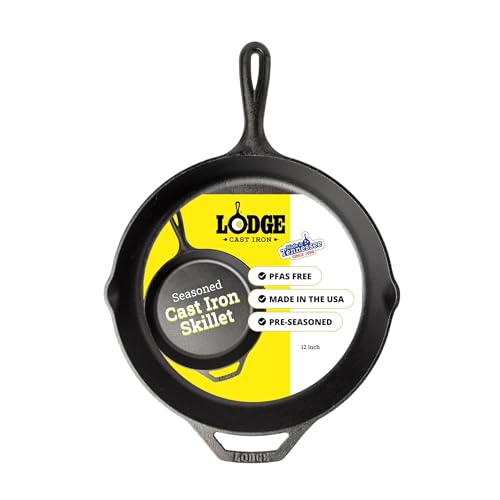
Pros
- Strong heat retention from dense cast iron body
- Versatile design safe for stovetop, oven, and campfire
- Factory pre-seasoned finish improve through continued use
- PFAS-free construction without synthetic chemical coatings
Cons
- Heavy build weigh nearly eight pounds empty

Pros
- Oven safe up to 500°F across multiple heat sources
- Pre-seasoned with vegetable oil without synthetic chemicals
- Shared lid fits both Dutch oven and skillet
- Includes diverse pan styles for baking, grilling, and searing
Cons
- Heavy total weight near 32 pounds complicates handling
- Requires hand washing and immediate oiling to prevent rust

Pros
- Pre-seasoned surface ready to use
- Works on stovetops, grills, and campfires
- Includes versatile selection of everyday cookware
- Heavy cast iron retains heat evenly
Cons
- Heavy combined set weight of 28 pounds
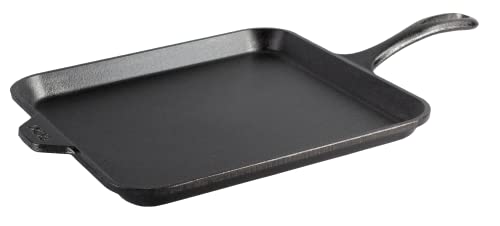
Pros
- Durable warp-resistant cast iron build
- Safe for campfire, grill, oven, and stovetop
- PFAS-free vegetable oil pre-seasoned surface
- Square shape maximizes usable cooking space
Cons
- Heavy 5.9-pound weight complicates handling
Buying Guide for Cast Iron Cookware
Bare Cast Iron Versus Enameled Coating
Bare iron pan take high oven heat, work over campfire coals, build natural seasoning over time. Bare surface react with acidic tomato sauce if seasoning layer thin. Enameled coating block rust, stop acid reactions, eliminate oil seasoning. Enamel chip if dropped or heated dry. Pick bare iron for high-heat searing outdoors or in oven. Pick enameled cast iron for soup, chili, tomato braises. Explore enameled cast iron options for low-maintenance simmering.
Heat Retention and Pan Weight
Thick iron walls store thermal energy, prevent pan temperature drop when cold steak hit metal. Trade-off exist in weight. Heavy twelve-inch pan strain wrists during one-hand pouring. Lighter pieces heat fast but create hot spots. Check helper handles before buying heavy pieces. Wide helper loop make lifting two-handed pans safe with oven mitts.
Stovetop Compatibility and Heat Source Limits
Cast iron work on gas, electric coils, campfire, and induction cooktops because magnetic iron couple directly with induction elements. See our cookware set for induction guide for details. Rough iron bottoms scratch smooth glass cooktops if dragged. Rough iron require gentle placement on glass. Outdoor cooking demand bare metal, since enamel crack over uneven direct campfire flame.
Single Pans Versus Multipurpose Sets
Single ten-inch or twelve-inch skillet handle daily eggs, chops, cornbread. Large sets include griddles, Dutch ovens, multiple skillets, but eat kitchen cabinet space. If replacing old pans, look at broader cookware sets best suited for kitchens. Combo units like double Dutch oven combine pot with skillet lid, saving shelf room while adding two functions.
Cleaning Routine and Long-Term Maintenance
Bare iron require hand wash, quick stove drying, light oil coating to stop rust. Bare pans never go inside dishwashers. Enamel wash clean with dish soap, sponge, warm water without re-oiling steps. Choose bare iron if routine maintenance fit your kitchen habits. Choose enamel if post-dinner oil wiping cause annoyance.
How We Compared These Products
Analysis rely on manufacturer specifications, material listings, dimensions, verified feature sets, user feedback patterns. Guide rely on research rather than hands-on laboratory testing. Comparisons focus on handle design, coating type, weight tradeoffs, cooking versatility across heat sources.
Which Option Fits Your Kitchen?
For cooks wanting simple everyday searing with safe handling, Lodge Pre-Seasoned Cast Iron Skillet with Silicone fit standard ranges. Twelve-inch size provide cooking area for family portions, while included silicone sleeve shield hands from hot iron handle.
For tight cabinet space and versatile bread baking, Lodge Cast Iron Double Dutch Oven combine deep five-quart pot with shallow skillet lid. Design save cabinet shelf space, work on campfires, trap steam for crusty loaves. Pair this with insights on Dutch ovens for sourdough bread.
For cooks who want easy cleanup and zero seasoning maintenance, QuliMetal 5-Piece Navy Blue Enameled Cast Iron offer enameled skillet and Dutch oven pieces. Smooth enamel handle acidic tomato sauces without stripping seasoning or requiring stovetop oil coats.
Frequently Asked Questions
Can cast iron cookware work on induction stoves?
Yes. Cast iron contain magnetic ferrous metal, making pans trigger induction burners efficiently. Avoid sliding rough iron across glass glass-ceramic tops to prevent surface scratches.
How should cooks clean pre seasoned cast iron pans?
Wash by hand using warm water and sponge. Mild soap work fine on cured seasoning. Dry pan immediately on warm stovetop burner, then rub thin drop of vegetable oil over metal surface.
Why choose enameled cast iron instead of bare metal?
Enamel coating seal iron beneath glass layer. Enamel stop acid reactions from wine or tomatoes, eliminate oil seasoning steps, wash clean with normal dish sponge.
What skillet size fit daily cooking best?
Ten-inch skillet fit one or two people for eggs and chops. Twelve-inch skillet fit three or four portions without crowding food. Compare options in our guide to choosing frying pans for everyday cooking.
Can cast iron pans go inside home ovens?
Yes. Bare cast iron withstand high oven heat, broilers, campfire coals. Remove silicone handle grips before putting pans into high-heat ovens. Check manufacturer temperature limits on enameled lids or knobs.
How do cooks fix rusty bare cast iron?
Scrub rust away with steel wool and warm soapy water. Dry metal completely on hot burner. Rub thin layer of cooking oil across iron surface, then bake upside down in oven for one hour.


Write Your Review
No reviews yet. Be the first to share your experience!